There are moments in your workday where having a record isn't optional — it's everything. A confrontation at a job site. A dispute with a client who later denies what was said. An incident on patrol that becomes a liability question six weeks later. In those moments, the people who are prepared are the ones holding footage. The people who aren't are left trying to reconstruct events from memory.
That's the entire case for a wearable body camera. Not a mounted dashcam, not a hidden spy device — a visible, clip-on camera that rides on your chest or collar and records everything in front of you, automatically, without you thinking about it. This $24 body cam from BigMoetsy has sold over 1,000 units for a simple reason: it works, it's discreet enough to wear all day, and it doesn't cost more than a tank of gas.
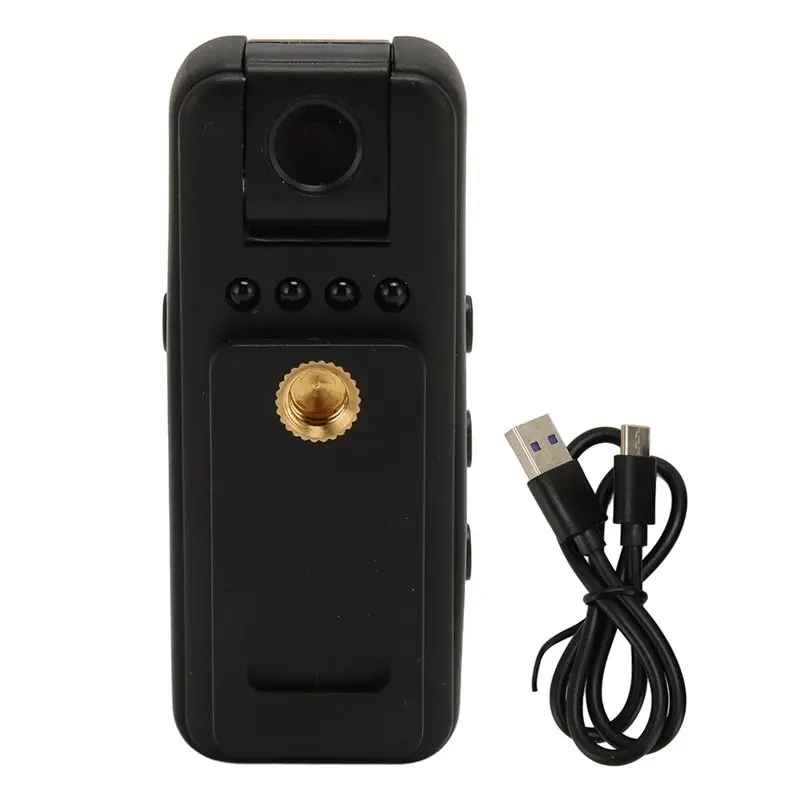
What Is a Wearable Body Camera?
A wearable body camera is exactly what it sounds like: a compact video recording device designed to be worn on your person — usually clipped to a shirt collar, chest pocket, jacket lapel, or bag strap — so that it captures first-person footage of everything happening in front of you, hands-free.
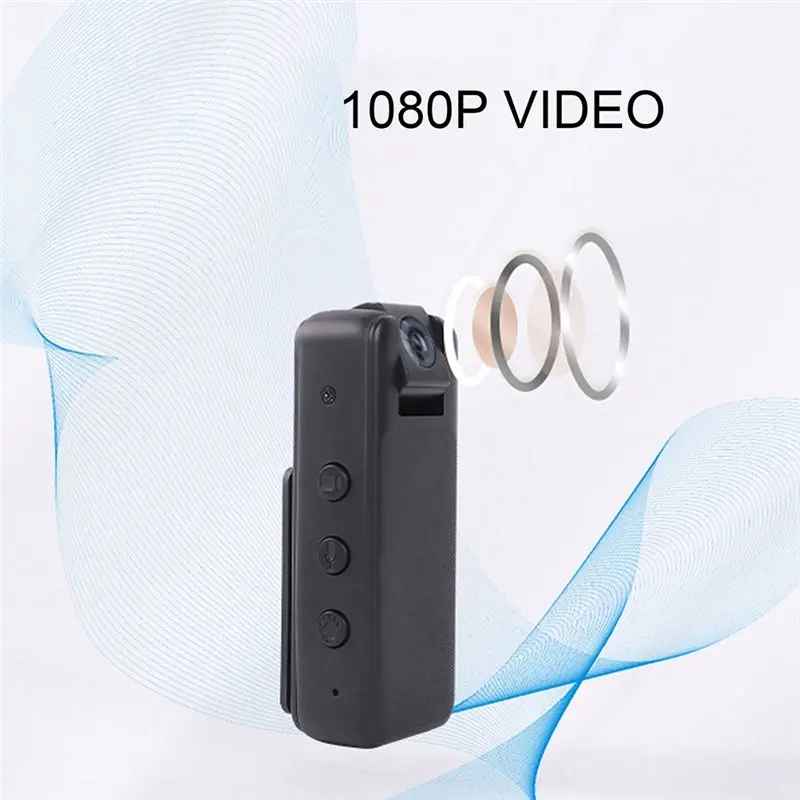
This particular model records 1080p Full HD video at up to 30fps, which is the benchmark for clear, court-admissible footage. Beyond video, it captures 12-megapixel still photos — useful for documenting conditions, signage, or scenes without pulling out a phone. The built-in infrared night vision activates automatically in low-light conditions, so your coverage doesn't stop when the sun goes down.
The form factor is designed for all-day wear. It's lightweight — less than 70 grams — and the clip mount is strong enough to stay put on a utility vest without shifting during movement. Charging is via USB-C, so it works with the same cable as your phone. The camera supports microSD cards up to 256GB, giving you serious recording capacity before you ever need to offload footage.
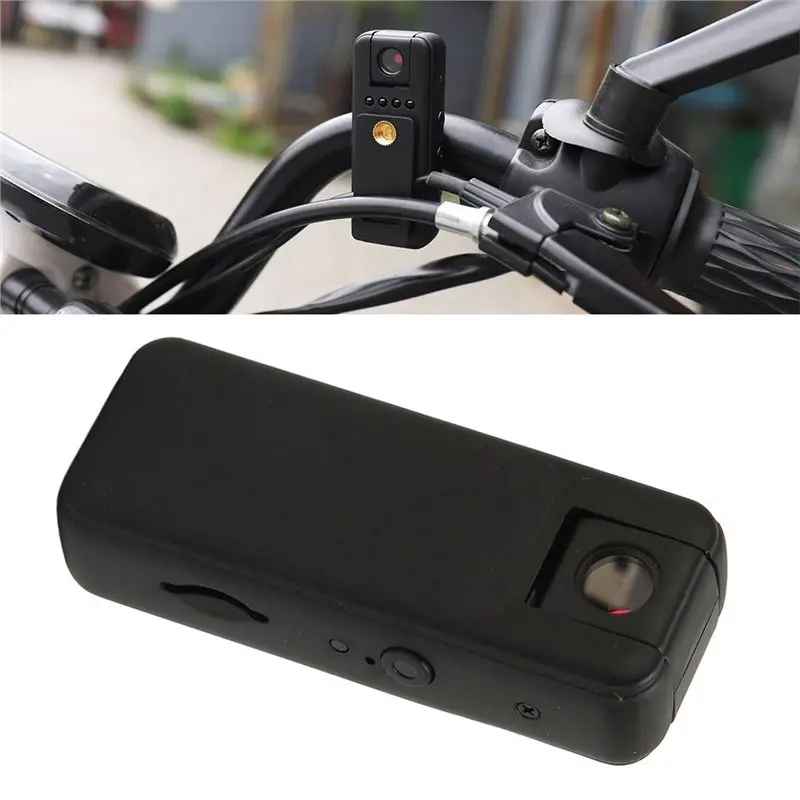
Who Actually Uses Body Cameras?
The use cases are broader than most people expect. Body cameras aren't just for law enforcement anymore. They've become a practical tool for any professional who deals with the public, works in uncertain environments, or needs documentation as a standard part of their workflow.
Security Guards and Patrol Officers
This is the primary market, and for good reason. Security personnel deal daily with confrontations, trespassing incidents, and situations that turn into he-said-she-said disputes. A body camera creates an objective record that protects both the guard and the organization they're working for. Footage timestamps, location context, and audio capture can completely resolve disputes that would otherwise drag on for weeks.
Outdoor Activity Guides and Instructors
Hiking guides, kayaking instructors, zip-line operators — anyone leading groups through activities with inherent risk benefits from continuous footage. If a participant falls, if equipment is misused, if someone ignores a safety briefing, the camera has it. It's liability protection and a training resource in one.
Field Service Technicians
HVAC technicians, electricians, and property inspectors increasingly wear body cameras to document the state of equipment before and after service. This protects against claims that a tech caused damage, and it creates a searchable archive of site visits that's far more reliable than written notes.
Dog Walkers and Delivery Drivers
Two professions where disputes with the public have spiked significantly. A dog walker with footage of an off-leash dog aggression incident is in a completely different legal position than one without. Delivery drivers dealing with porch pirates, damaged property claims, or aggressive residents have similar reasons to document every drop-off.
Wildlife and Nature Observers
Birdwatchers, wildlife photographers assisting researchers, and nature guides use body cams to capture candid animal behavior without lifting a camera — because any movement can spook an animal. The hands-free format means the camera rolls while they stay still and observe.
Key Specs Breakdown
How does this camera stack up against alternatives that cost twice as much? Here's the honest comparison:
| Feature | This Camera ($24) | Typical $50+ Alternative |
|---|---|---|
| Video Resolution | 1080p Full HD | 1080p Full HD |
| Photo Resolution | 12MP | 8–12MP |
| Night Vision | Infrared IR | IR (varies by model) |
| Battery Life | ~5 hours continuous | 4–8 hours (varies) |
| Max SD Card | 256GB | 64–128GB (often limited) |
| Loop Recording | Yes | Yes (most models) |
| Charging | USB-C | Micro-USB (often older) |
| Weight | Under 70g | 70–120g |
| Price | $24 | $50–$150 |
At this price point, you're not giving up critical features. The 1080p resolution, night vision, loop recording, and 256GB SD support are all present. What you don't get is GPS logging, LTE connectivity, or a docking station — features that matter for large fleet deployments but are irrelevant for individual use.
Night Vision: What IR Actually Looks Like
Infrared night vision works by emitting light in the IR spectrum — invisible to the human eye but visible to the camera's sensor. The result in footage is a monochrome image: shades of grey and white rather than color. The trade-off is worth it. You get a usable image in conditions where a standard camera would produce a black screen.
The effective IR range on this camera is approximately 5 to 8 meters in complete darkness, which is enough to capture the face and body of a person standing in front of you. In partially lit environments — parking lots, hallways with emergency lighting, outdoor areas with distant street lights — the camera's low-light sensor performs even better, and color video is preserved at lower lux levels before IR kicks in.
One honest limitation: IR night vision doesn't work well through glass. If you're documenting inside a vehicle at night, the camera will pick up IR reflections. For outdoor use and indoor corridor monitoring, it performs reliably.
Loop Recording Explained
Loop recording is one of the most important features on a body camera that most buyers overlook. Without it, your camera fills up its storage card and stops recording. With loop recording enabled, the camera continuously overwrites the oldest footage to make room for new footage — ensuring it's always recording, even if you forgot to clear the card.
The practical implication: if something happens on hour 6 of your shift, you have footage of it. You don't have to manually manage storage every day. The camera just runs. This is the same principle used in dashcams, and it's equally valuable here.
When something significant happens and you need to preserve footage, the process is simple — power off the camera and remove the SD card before the relevant segment gets overwritten. On a 128GB card recording at 1080p, you have enough space that you're unlikely to overwrite recent footage before you've had a chance to act.
Storage: How Long Can It Record?
Storage capacity and video quality settings determine how much footage you can hold. Here's a practical guide based on typical bitrates for this class of camera:
| SD Card Size | Hours at 1080p | Hours at 720p | Hours at 480p |
|---|---|---|---|
| 32GB | ~4 hrs | ~7 hrs | ~12 hrs |
| 64GB | ~8 hrs | ~14 hrs | ~24 hrs |
| 128GB | ~16 hrs | ~28 hrs | ~48 hrs |
| 256GB (max) | ~32 hrs | ~56 hrs | ~96 hrs |
For most users, a 64GB or 128GB card at 1080p is the sweet spot — enough storage that loop recording becomes a backstop rather than a daily necessity, while keeping footage quality high enough for identification purposes.
Related Products
Wearable Body Camera 1080p Night Vision
$24.00 Shop Now →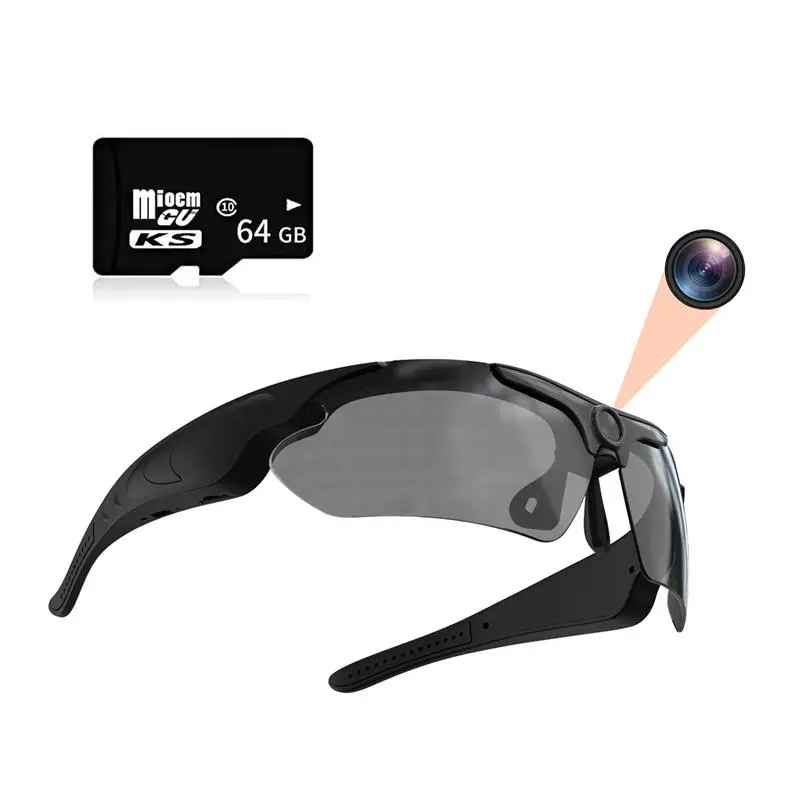
Smart Recording Glasses 1080p + 64GB
$75.00 Shop Now →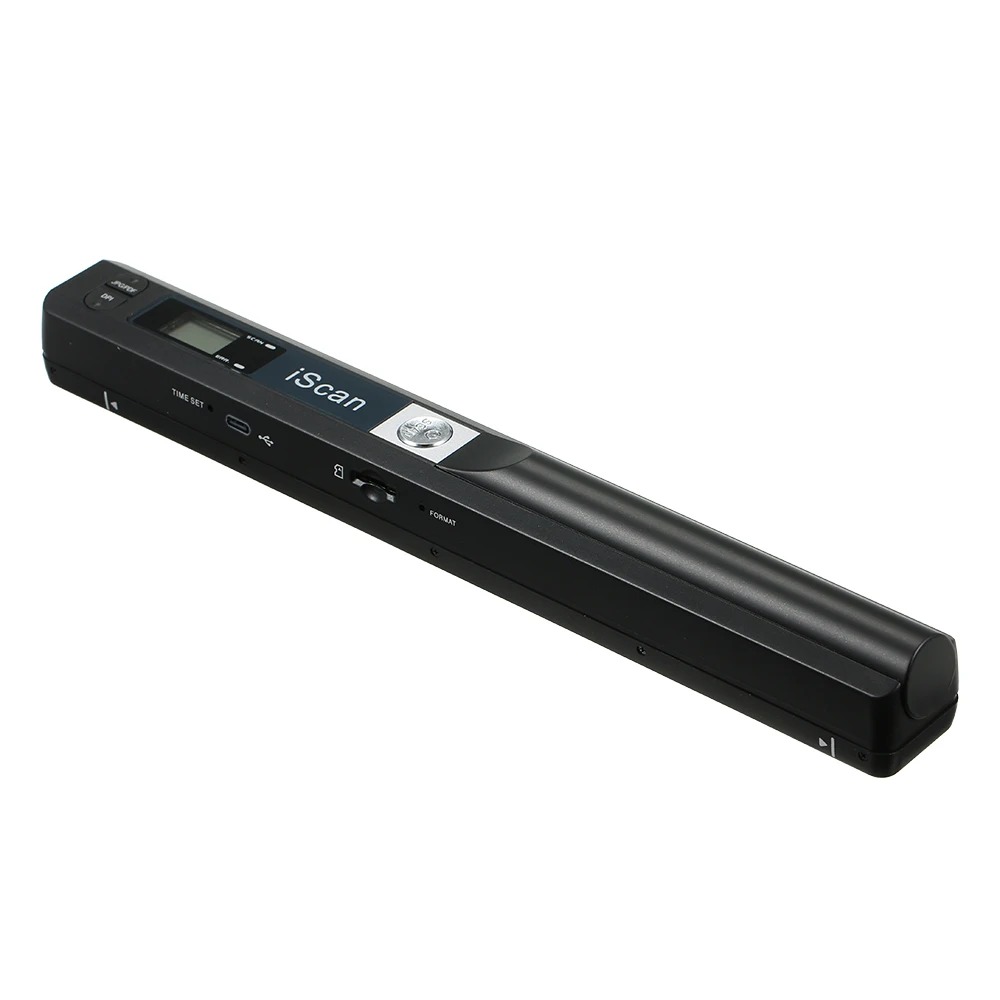
Portable Handheld A4 Scanner
$59.00 Shop Now →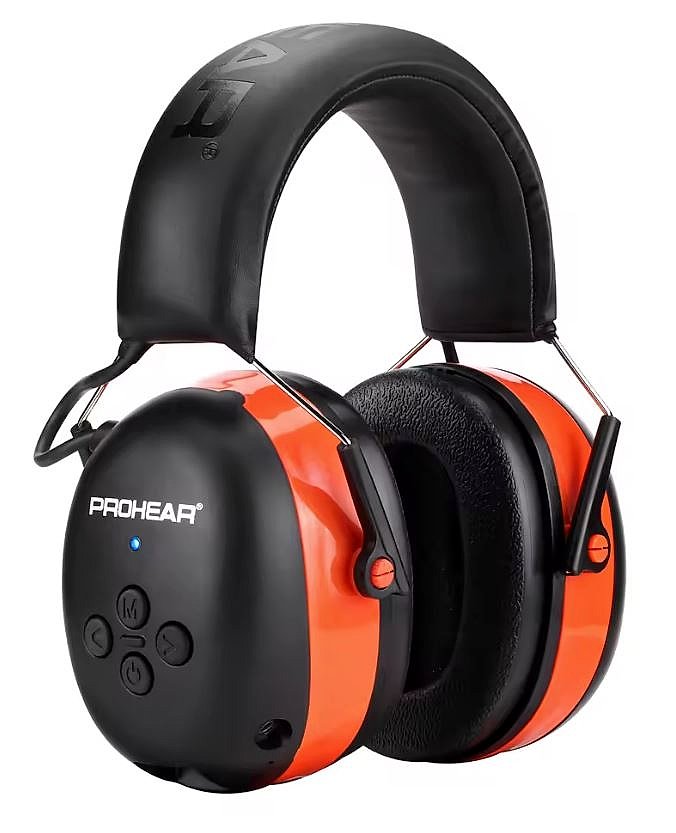
PROHEAR Bluetooth Safety Earmuffs
$70.00 Shop Now →Stay documented wherever you work
Evidence-grade 1080p footage, infrared night vision, and all-day battery. Starting at $24 — less than a single hour of legal consultation.
Browse the Full ShopFrequently Asked Questions
Is it legal to wear a body camera in public?
In most jurisdictions, recording video in public spaces where there is no reasonable expectation of privacy is legal. Laws vary by country and state, particularly around audio recording — some US states require two-party consent for audio. It's good practice to check local regulations before using a body camera for professional purposes, and many employers provide guidance on this. Wearing a visible body camera (as opposed to a hidden one) is generally treated more favorably under most legal frameworks.
How is the video quality in low light or at night?
In partial low light (dim corridors, parking lots, dusk), the camera's sensor captures color video at reduced brightness. In near-total darkness, the infrared LEDs activate automatically, producing clear monochrome footage within an effective range of 5–8 meters. The IR footage is sharp enough to identify faces and read text at close range. It will not replicate daylight color footage, but for security and documentation purposes, it performs reliably.
How long does the 5-hour battery last in practice?
The 5-hour rating applies to continuous recording at 1080p with moderate use of night vision. In real-world conditions — intermittent recording, frequent starts and stops, cold weather use — most users report 4 to 5 hours before needing a recharge. For full 8- to 12-hour shifts, carrying a small USB-C power bank allows mid-shift recharging. The USB-C port means it's compatible with the same chargers used for modern smartphones.
Can it record audio as well as video?
Yes, this camera includes a built-in microphone and records audio simultaneously with video. Audio quality is adequate for capturing conversations, verbal exchanges, and ambient sound at close to medium range. As noted above, audio recording laws vary by location — review your local two-party consent rules before recording conversations in private settings.
How do I view the footage?
Footage is saved to the microSD card in standard MP4 format. To view it, remove the SD card and insert it into any computer using a card reader (or a USB SD card adapter). The files are readable by any standard media player — VLC, Windows Media Player, QuickTime — with no special software required. You can also connect the camera directly via USB-C to transfer files without removing the card.