Here's a number most online marketplaces don't want you to think about: the percentage they take from every sale. It's the single biggest factor determining whether a handmade seller can build a sustainable business — or burns out trying to make the math work.
BigMoetsy charges 5%. That's it. No listing fees, no monthly subscriptions, no hidden payment processing surcharges. Five cents on every dollar. The rest goes to the person who actually made the product.
That might sound like a small detail. It's not. Commission rates shape everything about a marketplace — the quality of products, the prices buyers pay, and whether talented makers stick around or give up. Let's break down exactly why this number matters so much, who benefits, and how it compares to every other platform you're considering.
The Real Cost of Selling on Popular Marketplaces
Most sellers don't realize how much they're actually paying. Marketplace fees aren't always transparent — they're split across transaction fees, listing fees, payment processing fees, and sometimes mandatory advertising costs. When you add them all up, the numbers are sobering.
| Marketplace | Commission | Listing Fee | Other Fees | Effective Total |
|---|---|---|---|---|
| BigMoetsy | 5% | None | None | 5% |
| Etsy | 6.5% | $0.20/item | 3% payment processing | ~9.5% |
| TikTok Shop | 8% | None | Varies by promo | 8–12% |
| Amazon Handmade | 15% | None | FBA fees if used | 15–18% |
| Faire (wholesale) | 15% | None | 25% on first orders | 15–25% |
| eBay | 13.25% | $0.35/item | None | ~13.5% |
Look at that spread. A seller doing $10,000 in annual revenue keeps $9,500 on BigMoetsy versus roughly $9,050 on Etsy, $8,800 on TikTok Shop, or just $8,200 on Amazon Handmade. That $450–$1,300 difference isn't abstract — it's the difference between affording better materials, hiring help during holiday season, or simply paying rent.
What Happens When Commissions Are Too High
High fees create a cascade of bad incentives. Here's how the math plays out in practice:
Sellers Cut Corners on Materials
When a platform takes 15–18% of every sale, sellers have to find savings somewhere. The most common shortcuts: thinner wood, cheaper thread, lower-grade ceramics, synthetic materials labeled as "premium." The product photos stay beautiful. The reality at your doorstep doesn't match.
Prices Go Up (or Quality Goes Down)
Imagine a ceramicist who makes a handmade mug. Her materials and labor cost $12. She needs to earn at least $20 to sustain her business. On BigMoetsy at 5%, she can list it for $21.05 and keep her $20. On Amazon Handmade at 15%, that same mug needs to be priced at $23.53. On Etsy at 9.5%, it's $22.10.
Those price differences compound across an entire shop. A seller with 50 products, each priced $2-3 higher to cover platform fees, creates a shopping experience that feels noticeably more expensive — even though the seller isn't making more money.
Talented Makers Leave the Platform
The most skilled artisans have options. When platform fees eat too deeply into margins, they move to their own websites, local markets, or platforms with better economics. What's left behind is a marketplace with weaker curation and declining product quality — exactly the death spiral that's been eroding Etsy's reputation since 2023.
The BigMoetsy principle: Lower commissions attract better sellers. Better sellers create better products. Better products attract more buyers. More buyers justify staying at 5%. It's a virtuous cycle — and it starts with the commission rate.
The Math: How Much More Sellers Keep on BigMoetsy
Let's run real numbers. A seller doing $2,000/month in sales (a common benchmark for a part-time handmade business):
| Annual Sales | BigMoetsy (5%) | Etsy (~9.5%) | Amazon (15%) | BigMoetsy Advantage |
|---|---|---|---|---|
| $5,000 | $4,750 | $4,525 | $4,250 | +$225 to +$500 |
| $10,000 | $9,500 | $9,050 | $8,500 | +$450 to +$1,000 |
| $24,000 | $22,800 | $21,720 | $20,400 | +$1,080 to +$2,400 |
| $50,000 | $47,500 | $45,250 | $42,500 | +$2,250 to +$5,000 |
| $100,000 | $95,000 | $90,500 | $85,000 | +$4,500 to +$10,000 |
At $100K annual sales — achievable for a full-time handmade business — the difference between BigMoetsy's 5% and Amazon's 15% is $10,000 per year. That's a new kiln. A workshop upgrade. A part-time assistant during Q4. The commission rate isn't just a line item — it's the ceiling on what a maker's business can become.
Why Low Commissions Matter to Buyers (Not Just Sellers)
If you're a buyer, you might think commission rates are a seller problem. They're not. Platform fees flow directly downstream to your shopping experience in three ways:
1. Better Prices Without Sacrificing Quality
When sellers keep more revenue, they don't need to inflate prices to cover platform costs. A handmade candle that costs $28 on Etsy might be $24 on BigMoetsy — same maker, same product, better economics. Multiply that across a cart of 3-4 items and you're saving meaningfully.
2. Higher Quality Products
Sellers with healthy margins invest in materials. A jeweler keeping 95% can afford sterling silver where a jeweler keeping 85% might substitute silver-plated brass. You — the buyer — feel that difference the first time you wear it, and every time after.
3. The Best Makers Stay on the Platform
Low fees attract and retain serious artisans. When the economics work, talented people build their shops on BigMoetsy long-term instead of leaving for their own website (where you'd never discover them). A thriving seller community means a better catalog for you to browse.
How BigMoetsy Can Afford 5%
The obvious question: if everyone else charges 10-18%, how does BigMoetsy sustain itself at 5%?
Three reasons:
- Curation over volume. BigMoetsy doesn't try to be Amazon. We don't need to support millions of listings, massive search infrastructure, or an army of content moderators. Every product is hand-selected, which means lower operational costs per listing.
- No advertising arms race. Platforms like Etsy make significant revenue from seller advertising (Etsy Ads). That creates a pay-to-play dynamic where sellers need to spend money on ads to get visibility. BigMoetsy doesn't sell ads — visibility is earned through product quality, not advertising spend.
- Lean infrastructure. We're built for efficiency, not bloat. No warehouses, no proprietary payment systems requiring massive engineering teams, no legacy technology debt. Modern tools, small team, focused mission.
The 5% commission isn't a loss leader or a temporary promotion. It's the economic model, designed to be sustainable at scale.
The Hidden Fees Other Platforms Don't Advertise
Commission rate comparisons can be misleading if you only look at the headline number. Here's what platforms often bury in their terms of service:
Etsy's Fee Stack
- 6.5% transaction fee on the sale price including shipping
- $0.20 listing fee per item (renews every 4 months or when sold)
- 3% + $0.25 payment processing fee (Etsy Payments, mandatory)
- 15% Offsite Ads fee (mandatory for shops over $10K/year revenue)
- Pattern subscription ($15/month if you want a custom website)
A seller doing $20,000/year on Etsy can easily pay $2,400+ in total fees. The same seller on BigMoetsy pays $1,000. That's a $1,400 difference — real money for a small business.
Amazon Handmade's Fine Print
- 15% referral fee on each sale
- FBA fees if you use their fulfillment ($3-5+ per item)
- $39.99/month Professional selling plan (waived for Handmade, but required for access to some features)
- Advertising costs (Sponsored Products campaigns, increasingly required for visibility)
Amazon's true cost of selling handmade goods can reach 20-25% of revenue when advertising and FBA are included.
BigMoetsy's Full Fee Breakdown
- 5% commission. That's it.
- No listing fees.
- No monthly subscription.
- No mandatory advertising.
- No payment processing surcharge.
What 5% Means for the Handmade Economy
The handmade goods market is worth over $750 billion globally and growing. But the economics of selling handmade have been brutal. According to a 2025 Craft Industry Alliance survey, 68% of handmade sellers report that platform fees are their biggest business expense — ahead of materials, shipping, and marketing combined.
That's backwards. Platform fees should be a minor cost of doing business, not the dominant one. When fees consume 10-18% of revenue, they create structural barriers:
- New sellers can't compete — they don't have the volume to absorb high percentage fees
- Mid-tier sellers plateau — growth doesn't translate to proportionally more income because fees scale linearly
- Top sellers diversify away — the best makers open their own shops, removing the best products from the marketplace ecosystem
BigMoetsy's 5% is designed to fix this. At every revenue level, sellers keep enough to reinvest. A new seller listing their first 10 products doesn't pay a dime until something sells. A growing seller doing $50K/year keeps $47,500 instead of $42,500. The economics work at every stage.
The Etsy Alternative You've Been Looking For
If you're a seller frustrated with Etsy's rising fees, or a buyer tired of sifting through mass-produced products on platforms that lost their handmade identity — BigMoetsy was built for you.
The 5% commission isn't just a pricing decision. It's a statement about what kind of marketplace we think should exist: one where makers are valued, buyers get genuine handmade products, and the platform takes the smallest possible cut to keep the whole system working.
Every product on BigMoetsy is curated by hand. Every seller is verified. And every transaction leaves 95% of the revenue with the person who created the product. That's the future of the handmade economy — and it's already here.
Frequently Asked Questions
What is BigMoetsy's commission rate?
BigMoetsy charges a flat 5% commission on each sale. There are no listing fees, no monthly subscription fees, and no hidden payment processing surcharges. A seller who makes $1,000 in sales keeps $950 — compared to roughly $905 on Etsy after all fees are factored in.
How does BigMoetsy's 5% commission compare to Etsy's fees?
Etsy's total effective fee rate is approximately 9.5% when you combine their 6.5% transaction fee, $0.20 listing fee per item, and 3% payment processing fee. BigMoetsy charges a flat 5% with no additional fees. On $10,000 in annual sales, a seller saves roughly $450 per year by choosing BigMoetsy over Etsy.
Why do marketplace commission rates matter to buyers?
High commission rates force sellers to either raise prices or cut corners on materials and craftsmanship. When a marketplace takes 15-18% of every sale (like Amazon Handmade), sellers have less margin to invest in quality. BigMoetsy's 5% commission means sellers keep more revenue, which translates directly into better materials, more attention to detail, and fairer prices for buyers.
Does BigMoetsy charge listing fees or monthly fees?
No. BigMoetsy does not charge listing fees, monthly subscription fees, or advertising fees. The only cost is a 5% commission when a sale actually happens. This zero-upfront-cost model lets new sellers list products without financial risk and keeps the platform accessible to makers at every stage of their business.
Which online marketplace has the lowest commission for handmade sellers?
Among major handmade and curated marketplaces, BigMoetsy offers the lowest percentage-based commission at 5%. For comparison: Etsy charges approximately 9.5% total, TikTok Shop takes 8-12%, Amazon Handmade charges 15%, and Faire takes 15-25% on wholesale orders. Some platforms like iCraft charge flat monthly fees instead of commissions, but those carry risk for low-volume sellers.
Shop These Picks on BigMoetsy
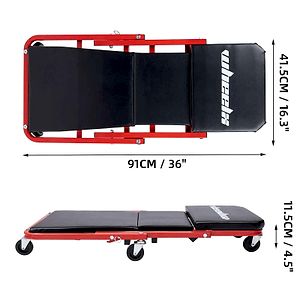
Handpicked Artisan Goods — Curated Set
$76.00 View product →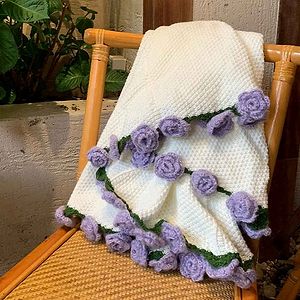
Handmade Crochet Rose Baby Blanket
$42.00 View product →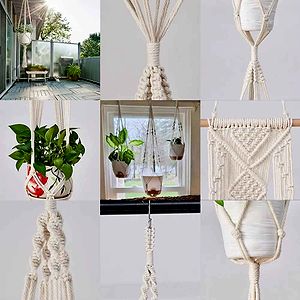
Bohemian Macrame Plant Hanger
$28.00 View product →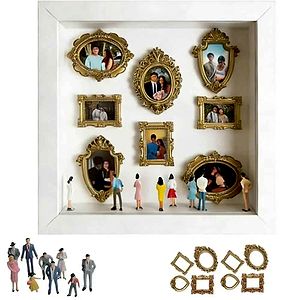
DIY Mini Museum Memory Display Kit
$44.00 View product →Ready to keep more of what you earn?
Join a marketplace where sellers keep 95% of every sale. Browse curated handmade products — or start selling your own.
Explore BigMoetsy