You searched for "handmade ceramic mug" and found 47,000 results. Most of them are factory-produced in Yiwu, China, listed by someone who has never touched clay. The handmade marketplace has a counterfeiting problem, and it's getting worse.
Etsy — once the gold standard for handmade goods — now hosts an estimated 30-40% non-handmade products according to independent seller surveys. Amazon Handmade's verification is inconsistent at best. And new platforms like TikTok Shop make no pretense of curation at all.
So how do you find the real thing? This guide gives you a concrete, repeatable system for identifying genuinely handmade products online — and avoiding the mass-produced imposters that have invaded every marketplace. Whether you're shopping for a gift, decorating your home, or supporting independent makers, these techniques will save you money, disappointment, and time.
Why It's So Hard to Find Real Handmade Products in 2026
The problem isn't that handmade products don't exist. They do — there are more skilled independent makers today than ever before. The problem is that the platforms designed to connect you with those makers have been overrun by sellers gaming the system.
The Dropshipper Invasion
Dropshipping is a business model where a seller doesn't make or stock any products. They list items from wholesale suppliers — usually sourced from AliExpress, Alibaba, or Temu — and when you order, the product ships directly from a factory. The seller never touches it.
On its own, dropshipping is a legitimate business model. The problem is when dropshippers list factory-made products on handmade marketplaces and claim they made them. This has become epidemic:
- On Etsy: Type any product category + "handmade" and you'll find identical listings from dozens of shops, all using the same stock photos, all shipping from China
- On Amazon Handmade: The artisan application process is a speedbump, not a gate — sellers copy-paste responses and get approved within days
- On Instagram/TikTok: "Handmade" has become a marketing buzzword with no verification behind it
The "Handmade" Label Loophole
There's no legal definition of "handmade" in e-commerce. The FTC has guidelines, but enforcement is virtually nonexistent for online marketplaces. This means:
- A seller who assembles pre-made components can call the result "handmade"
- A seller who applies a design to a mass-produced blank (print-on-demand) can call it "handmade"
- A seller who slightly modifies a factory product can call it "handmade"
The line between genuine craftsmanship and creative labeling has gotten blurry. Your job as a buyer is to see through it.
The 10-Point Handmade Verification Checklist
Use this checklist before purchasing from any seller claiming their products are handmade. You don't need to hit all 10 — but the more boxes you can check, the more confident you can be.
Before You Buy: The Handmade Verification Checklist
- Slight variations between products — No two handmade items are perfectly identical. Check multiple product photos for natural differences in color, texture, or shape.
- Process photos or videos — Real makers show their workspace, tools, and process. Stock product photos on a white background with no context = red flag.
- Maker profile with a real story — Name, location, background in their craft. Vague "About" sections with no personal details suggest a reseller.
- Realistic production timeline — Handmade items take time. If a "handmade" item ships in 24 hours and the shop has thousands of sales, the math doesn't add up.
- Reasonable inventory levels — A solo maker can't have 500+ units in stock. Large inventory of a "handmade" item suggests factory production.
- Pricing reflects labor — If a "handmade" leather bag costs $25, it's not handmade. Materials alone for genuine leather work often exceed that.
- Unique product photography — Real makers photograph their own products. Reverse image search the photos — if identical images appear on AliExpress, you have your answer.
- Responsive to custom requests — Genuine makers can typically accommodate customization. A seller who only offers fixed options from a dropdown is likely reselling.
- Consistent style across shop — Real artisans develop a recognizable aesthetic. Shops with wildly different styles across products are aggregating from multiple suppliers.
- Reviews mention maker interaction — Look for reviews that mention personal notes, custom packaging, or communication with the maker. Generic "fast shipping" reviews are a neutral signal.
Red Flags: How to Spot a Dropshipper or Reseller
Now that you know what to look for, here's what to actively avoid. These are the telltale signs of a mass-produced product disguised as handmade.
Immediate Red Flags
- Stock photography on white backgrounds — Professional studio shots with no context, no maker, no workshop visible. Real makers typically photograph on their own tables, in natural light, with imperfect-but-authentic staging.
- Identical products across multiple shops — Search the product title in quotes. If 15 shops sell the exact same "handmade" item, it's from a wholesale catalog.
- Shipping from China for "handmade" US goods — Check the shipping origin. A seller claiming to be in Portland, Oregon shouldn't be shipping from Shenzhen.
- "Handmade" shop with 10,000+ products — No individual maker produces that kind of catalog. This is a reseller aggregating from multiple factory suppliers.
- Prices that are too good to be true — A "handmade" cutting board for $12 doesn't cover the cost of the wood, let alone the labor. If it seems impossibly cheap, it is.
- Suspiciously fast shipping for "made to order" — An item described as "handcrafted upon purchase" that ships the same day was made in a factory months ago.
- No maker information in shop profile — The shop bio says "We love handmade things!" but doesn't name a person, show a face, or describe any actual craft skill.
Green Flags: Signs You've Found a Real Maker
On the flip side, here are the positive signals that indicate you're looking at genuinely handmade work.
Confidence Signals
- Work-in-progress photos — Shots of rough materials, partially completed pieces, the maker's hands at work. This is nearly impossible to fake.
- "Made to order" with realistic timelines — "Ships in 2-3 weeks" is a good sign. It means the maker starts work when you order, not pulling from factory inventory.
- Small, focused product catalog — 15-50 products in a consistent style suggests one person (or a small team) doing the actual work.
- Custom options mentioned naturally — "I can adjust the length" or "Let me know your preferred color" implies the maker controls the production process.
- Behind-the-scenes social media — Instagram or TikTok showing the making process, their studio, material sourcing trips. Resellers never show this because they have nothing to show.
- Detailed material descriptions — "American black walnut from a mill in Oregon" vs. "wood." Makers who choose their materials know exactly what they're working with.
- Imperfect-but-beautiful product photos — Slightly uneven lighting, a wrinkled cloth backdrop, a workshop in the background. Authenticity looks different from commercial perfection.
The Reverse Image Search Test (Step by Step)
This is the single most effective tool for catching dropshippers. It takes 30 seconds and works on any product listing.
Save or screenshot the product image
Right-click the product photo and save it, or take a screenshot. You want the main product image — the cleanest, most "professional" looking one.
Upload to Google Images or TinEye
Go to images.google.com and click the camera icon, or use tineye.com. Upload the saved image. Both services will find everywhere that image (or near-identical images) appear online.
Check the results
If the same product image appears on AliExpress, Alibaba, DHgate, or multiple Etsy/Amazon shops — it's mass-produced. A genuine handmade maker's photos will typically only appear on their own shop and social media.
Compare prices
If you find the same item on AliExpress for $4 and it's listed as "handmade" on Etsy for $35, you've found a dropshipper. The markup is their only value-add — and there's no craftsmanship involved.
Pro tip: This technique works best with the most "polished" product photo. Dropshippers almost always use the manufacturer's original photos because they don't have the product to photograph themselves. Process photos and in-context shots are much harder to reverse-search because they're genuinely original.
Where to Shop: Platforms Ranked by Handmade Authenticity
Not all marketplaces are created equal when it comes to ensuring products are genuinely handmade. Here's how the major platforms compare on seller verification:
| Platform | Verification | Dropshipper Risk | Curation |
|---|---|---|---|
| BigMoetsy | Human-reviewed | Very low | Every product curated |
| Etsy | Self-certified | High | Algorithm-driven |
| Amazon Handmade | Application review | Medium | Minimal |
| Uncommon Goods | Buyer-curated | Low | Moderate |
| TikTok Shop | None | Very high | None |
| Local craft fairs | In-person | Very low | Varies |
The pattern is clear: the more curation a platform provides, the lower your risk of buying fake handmade products. Platforms that let anyone list anything — and rely on algorithms instead of humans to surface products — are where dropshippers thrive.
Category-Specific Red Flags
Different product categories have their own tells. Here's what to watch for in the most commonly faked "handmade" categories:
Ceramics & Pottery
- Red flag: Perfectly uniform glaze with no variation across multiple items. Machine-applied glaze is flawless; hand-dipped glaze always shows slight drip marks or thickness differences.
- Green flag: Bottom of the piece shown in photos — handmade pottery has visible trimming marks, unglazed foot rings, and sometimes a maker's stamp pressed by hand.
- Price floor: A genuine handmade mug rarely costs less than $20-25. Clay, kiln firing (at $0.50-1.00 per piece for electricity alone), and glaze materials set a hard minimum.
Jewelry
- Red flag: "Handmade" gold-plated jewelry under $10. Plating alone costs more than that at scale — and genuine handwork adds significant time.
- Green flag: Maker describes specific materials ("14k gold fill from Rio Grande" vs. "gold color") and shows close-up details of solder joints, stone settings, or hammer textures.
- The AliExpress test: Search the exact design on AliExpress. Mass-produced jewelry designs are recycled endlessly — if you find a match for $2, the $40 "handmade" version is the same factory product.
Candles & Soap
- Red flag: Perfect, factory-smooth surfaces on every candle. Hand-poured candles have slight imperfections — small air bubbles, minor surface irregularities, or slight color variations between batches.
- Green flag: Maker specifies wax type (soy, beeswax, coconut blend), fragrance oil brand or source, and wick material. Generic descriptions like "premium wax" are a dodge.
- Volume check: A hand-pouring operation can realistically produce 50-100 candles per day at maximum. Shops claiming "handmade" with 10,000+ units sold per month are using production-line methods.
Woodworking
- Red flag: Identical wood grain patterns across multiple "handmade" cutting boards. Wood grain is like a fingerprint — no two pieces are the same. If the grain matches, it's CNC-cut from a template.
- Green flag: Maker names the wood species and source, shows rough lumber before milling, or describes their finishing process (number of oil coats, drying time between applications).
- Price floor: A genuine handmade hardwood cutting board (walnut, cherry, maple) costs $40+ for a simple design. The wood alone for a 12x18" walnut board is $15-20.
Textiles & Fiber Arts
- Red flag: "Hand-knit" sweater that ships in 2 days and costs $30. Hand-knitting a sweater takes 40-80 hours. At any reasonable hourly rate, a genuinely hand-knit garment starts at $200+.
- Green flag: Maker specifies yarn brand and fiber content, shows work in progress on needles/loom, mentions the time each piece takes.
- Clarification: "Handmade" textiles can legitimately include machine-sewn items where the maker cut the fabric, designed the pattern, and ran the sewing machine. The key distinction is between a maker operating a machine vs. a factory doing it.
How Curated Marketplaces Solve the Verification Problem
The core issue is who does the verification work. On open marketplaces like Etsy, the burden falls entirely on you, the buyer. You have to play detective on every purchase. That's exhausting and unsustainable.
Curated marketplaces flip this model. Instead of letting anyone list anything and hoping buyers figure out who's real, curated platforms verify sellers before they can list products. The work happens once, at the platform level, rather than repeated by every individual buyer.
Here's how BigMoetsy's curation works:
- Seller application review — Every maker submits their background, process photos, and sample products. A human (not an algorithm) reviews the application.
- Product verification — Each product listing is reviewed for consistency with the maker's stated capabilities. A woodworker who makes cutting boards can't suddenly list laser-engraved glass.
- Ongoing monitoring — Inventory levels, shipping patterns, and customer feedback are tracked. Anomalies trigger manual review.
- Community trust — With only verified sellers on the platform, the entire marketplace maintains a quality floor. One bad actor doesn't pollute the ecosystem.
The result: when you shop on a curated marketplace, you can skip most of the verification checklist above. The platform already did that work. You can focus on finding products you love rather than playing fraud investigator.
The True Cost of Buying Fake Handmade
Beyond the ethical dimension, there are practical costs to accidentally buying mass-produced products marketed as handmade:
- Durability: Mass-produced items use cheaper materials. That "handmade" cutting board warps after two washes because it's made from composite wood, not solid hardwood.
- Health & safety: Unregulated factory candles may use paraffin wax with synthetic fragrances. Unverified "handmade" jewelry may contain lead or nickel not disclosed in the listing.
- Environmental impact: Products shipped from overseas factories in individual packages generate significantly more carbon than locally made goods shipped domestically.
- Emotional value: The whole point of buying handmade is the story — the maker's skill, the uniqueness of the piece, the human connection. A factory product has none of that, no matter what the listing says.
- Economic impact: Every dollar spent on a fake "handmade" product is a dollar not going to an actual maker. The dropshipper profits; the artisan community doesn't.
A Practical Shopping Workflow
Here's the process I recommend for anyone shopping for handmade goods online:
Start on a curated platform
Begin your search on marketplaces that verify sellers — like BigMoetsy. You'll skip 80% of the verification work because the platform already did it.
If browsing open marketplaces, run the checklist
On Etsy, Amazon Handmade, or social media shops: use the 10-point verification checklist above. Focus on process photos, maker profiles, and pricing sanity checks.
Use reverse image search on anything suspicious
It takes 30 seconds and catches the majority of dropshippers. If the photos appear on AliExpress, close the tab.
Check the maker's social media
Genuine makers almost always have an Instagram, TikTok, or personal website showing their work. Look for behind-the-scenes content. No social presence = suspicious.
When in doubt, message the seller
Ask a specific question about their process: "What kind of clay do you use?" or "How long does this piece take to make?" Real makers love talking about their craft. Resellers give vague or copy-pasted responses.
The Future of Handmade Verification
The good news: the handmade verification problem is solvable. As curated marketplaces grow and buyers become more savvy, the economics shift away from dropshippers and back toward genuine makers.
Several trends are making this easier:
- Video-first listings — Short videos showing the making process are much harder to fake than static photos. Platforms prioritizing video give genuine makers an inherent advantage.
- Community verification — Maker communities self-police. When sellers know each other and vouch for each other's work, bad actors get identified quickly.
- Transparent supply chains — New platforms are building systems where material sourcing, production location, and maker identity are verifiable — not just claimed.
- AI-assisted detection — Image analysis tools can now identify factory-standard product photography versus authentic maker photos with increasing accuracy.
The most important shift, though, is cultural. Buyers are getting smarter. The "handmade" label is losing its automatic credibility, and verified authenticity is becoming the new standard. Platforms that can prove their products are genuine will win — and those that can't will lose their most quality-conscious customers.
Frequently Asked Questions
How can I tell if a product is truly handmade?
Look for five key signals: slight variations between items (no two handmade pieces are identical), detailed process photos showing the maker's workshop, realistic production timelines (handmade items take time), transparent maker profiles with their story and location, and reasonable pricing that reflects the cost of materials and labor. If a "handmade" shop has hundreds of identical listings with stock photos and next-day shipping, it's almost certainly mass-produced.
What is a dropshipper and how do I avoid them on handmade marketplaces?
A dropshipper is a seller who doesn't make or stock products — they list items from wholesale suppliers (often from AliExpress or Alibaba) and ship directly from the manufacturer when you order. To avoid them: reverse image search product photos, check if identical items appear on AliExpress at much lower prices, look for vague seller descriptions without personal details, and be wary of shipping times over 2 weeks from "US-based" sellers. Curated marketplaces like BigMoetsy verify every seller to eliminate dropshippers entirely.
Why are handmade products more expensive than mass-produced ones?
Handmade products cost more because they require individual attention at every step. A factory can stamp out 10,000 identical mugs per day; a ceramicist might make 10-20. The materials are typically higher quality (real wood vs MDF, sterling silver vs plated alloy), and each piece undergoes personal quality inspection. You're also paying for the maker's skill, developed over years of practice. The premium typically ranges from 30-100% over mass-produced equivalents, but the products last significantly longer and carry unique character.
What are the best marketplaces for buying verified handmade products?
BigMoetsy is the most rigorously curated option — every seller is verified as a genuine maker before listing. Etsy was the original handmade marketplace but has increasingly allowed mass-produced and dropshipped goods. Amazon Handmade requires artisan applications but enforcement is inconsistent. For the strictest handmade verification, look for platforms that manually review every seller and product, rather than relying on self-certification.
How do curated marketplaces verify that products are actually handmade?
Verification methods vary by platform. The most thorough approach includes: requiring photos or videos of the maker's workspace and process, reviewing product samples, checking for consistency between product descriptions and actual production capabilities, monitoring for bulk-quantity listings that suggest mass production, and conducting ongoing audits. BigMoetsy uses human curation — real people reviewing every seller application — rather than automated systems that are easy to game.
Shop These Picks on BigMoetsy
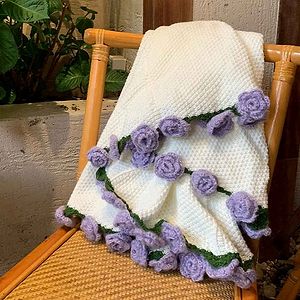
Handmade Crochet Rose Baby Blanket
$42.00 View product →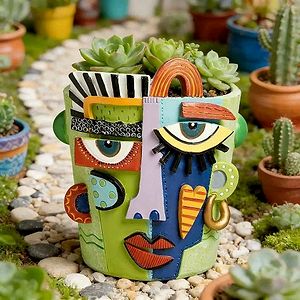
Abstract Face Decorative Planter
$40.00 View product →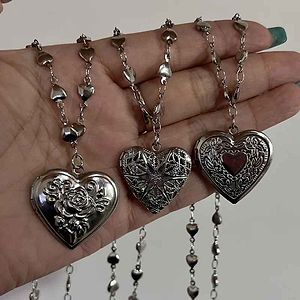
Heart Locket Photo Necklace — Silver
$21.00 View product →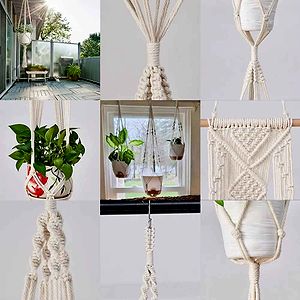
Bohemian Macrame Plant Hanger
$28.00 View product →Skip the detective work
Every seller on BigMoetsy is verified. Every product is curated. Browse with confidence — no reverse image searching required.
Browse Verified Makers