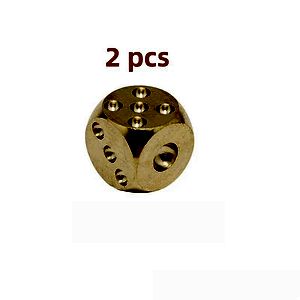
Most dice are disposable. You buy a bag of plastic polyhedrals for a campaign, they chip after a year of play, and you buy another bag. The cycle repeats. Solid brass dice break that cycle entirely.
Brass doesn't crack. It doesn't fade. It doesn't chip or discolor. It develops character — a subtle, warm patina from handling that deepens with time, the same way a good leather wallet or vintage tool improves with age. That's what separates the Solid Brass Dice Pair from anything else in the gaming gear category: it's not just a purchase, it's a permanent addition to your table.
What Are Solid Brass Dice?
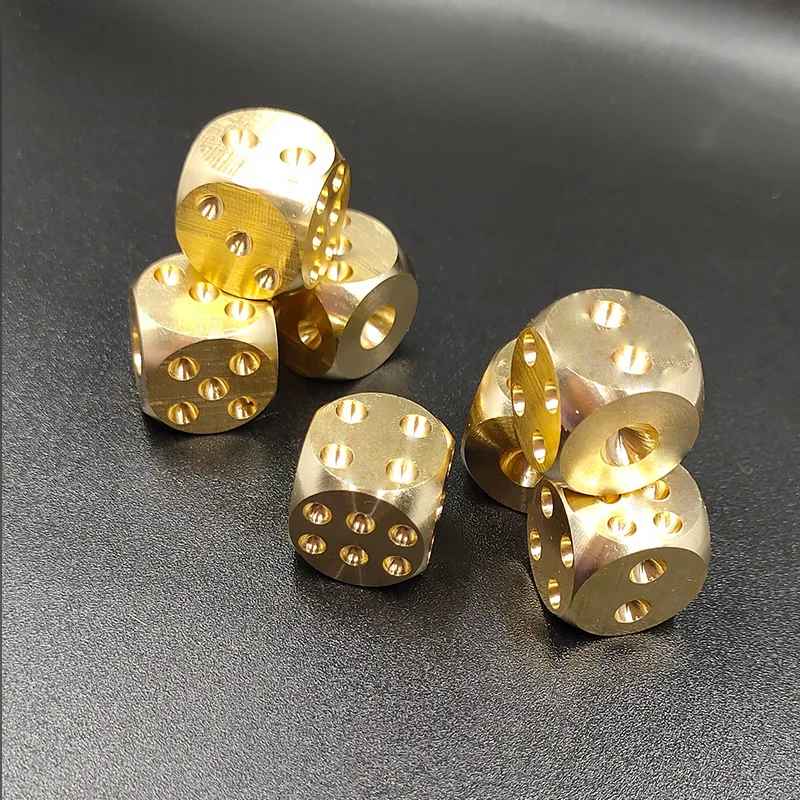
Solid brass dice are machined or cast from pure brass — a copper-zinc alloy known for its warmth, density, and natural aging properties. Unlike zinc alloy or acrylic dice, solid brass dice carry meaningful weight (roughly 30–40g each for a standard 15mm die), develop a patina over time, and are virtually indestructible under normal use.
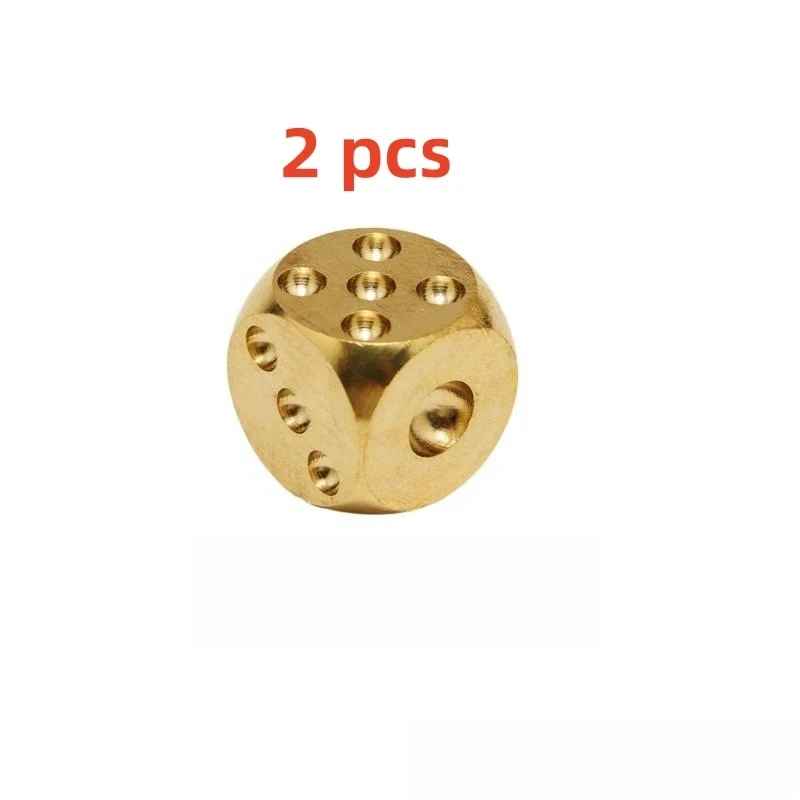
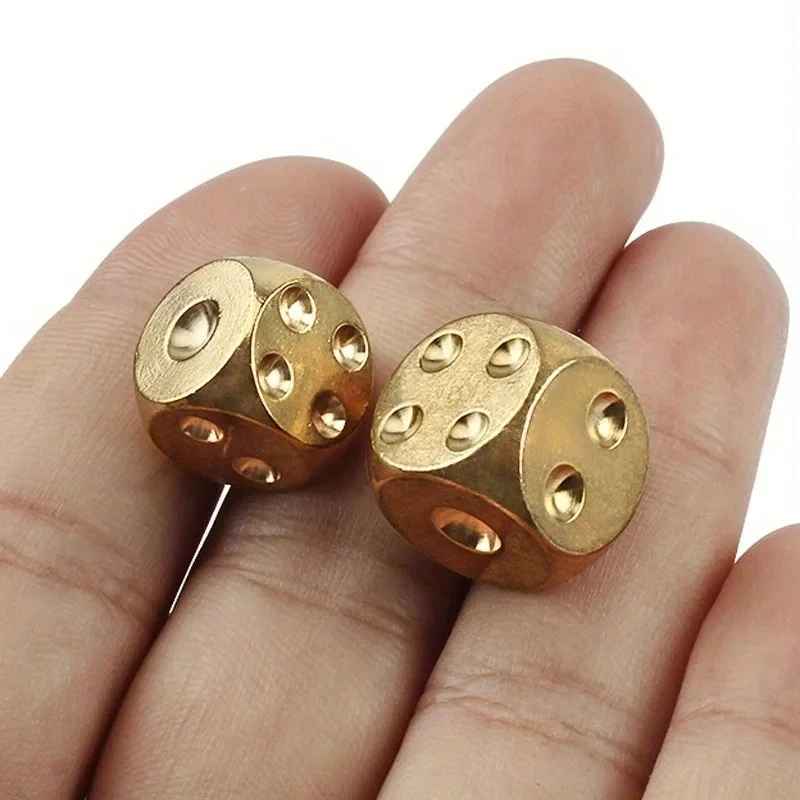
The pair at BigMoetsy measures 15mm — standard size for mahjong play, comfortable for tabletop games, and large enough to be easily readable across a gaming table. Each die arrives with a hand-polished stonewash finish: a controlled patina that removes the raw shine of new brass and leaves a warmer, more textured surface that photographs beautifully and improves with use.
Why Brass Specifically?
Brass is one of the few metals that ages attractively without special treatment. Unlike stainless steel (which stays static) or zinc alloy (which can oxidize poorly), brass develops a warm amber-to-brown patina from oils in your hands over months and years of use. The older your brass dice get, the better they look.
Who Are These Dice For?
Solid brass dice are not the right choice for every player. They're specifically compelling for:
- Mahjong players: The 15mm size is purpose-built for mahjong. The heft of solid brass feels completely different from plastic or acrylic mahjong dice — more deliberate, more tactile, more satisfying to play with in a serious game.
- Collectors and enthusiasts: If you appreciate materials — leather goods, knives, watches, fountain pens — brass dice occupy the same sensibility. They're objects that reward attention and improve with use.
- Gift buyers who want something different: At $16, a pair of solid brass dice is one of the most distinctive gifts you can give a tabletop gaming fan. Nothing mass-produced looks or feels like this.
- Desk object aficionados: Even outside gaming sessions, a pair of brass dice on a desk works as a tactile stress object, a visual accent piece, and a conversation starter. The stonewash finish pairs well with other warm-metal desk accessories.
- Tabletop players who want a permanent set: If you've bought and discarded enough plastic dice sets, brass dice represent the end of that cycle. Buy once, use indefinitely.
The Stonewash Finish: What It Is and Why It Matters
Raw brass has a mirror-bright, almost garish shine when new. Beautiful in an industrial context, but not what you want for something you're handling constantly at a gaming table. The stonewash finish solves this.
Stonewashing is a process of tumbling the dice with abrasive media — stone, ceramic, or stainless steel — that knocks back the highest shine points and creates a uniform, slightly matte surface texture. On brass, the result is warm golden metal with visible but subtle texture variation, like a hand-worn coin surface. It catches light without glaring. It shows depth without looking artificially aged.
The hand-polishing step goes further. After stonewash tumbling, each die is individually polished by hand to bring out the high points — edges, corners, the faces themselves — while leaving the stonewash texture in recesses. The final effect is a die that looks like it already has a decade of good use on it, in the best possible way.
Brass vs Other Metal Dice: How They Compare
| Property | Plastic / Acrylic | Zinc Alloy (Zamak) | Solid Brass |
|---|---|---|---|
| Weight (15mm d6) | ~4g — barely registers | ~20-25g — satisfying | ~35-40g — substantial, deliberate |
| Durability | Chips, fades, 2-4 year lifespan | Durable, indefinite with care | Indefinite lifespan — generations |
| Aging | Fades and looks worn badly | Stays static or oxidizes poorly | Patinas beautifully — improves with use |
| Feel in hand | Light, disposable | Satisfying weight | Dense, warm, premium |
| Collectibility | Not collectible | Moderate collector interest | High — brass is a collector material |
| Price point | $3-8 for a full set | $15-25 for a full set | $16 for a pair — premium but accessible |
Using Brass Dice for Mahjong
Traditional mahjong uses dice to determine the first dealer and the starting position of the deal. Standard sets include two or three dice, and the quality of those dice matters more than most players realize until they've played with genuinely good ones.
Solid brass dice at 15mm are the ideal size for mahjong: large enough to read clearly around the table, heavy enough to roll cleanly without skittering across tile sets, and small enough to handle comfortably in one hand. The weight ensures that rolls feel authoritative — no one argues about a brass die's result the way they might with a rattling lightweight plastic die.
The hand-polished finish also means the dice look right on a serious mahjong table. If you've invested in a quality tile set, a cloth mat, and proper racks, plastic dice are a visible weak link. Brass dice match the aesthetic and elevate the whole setup.
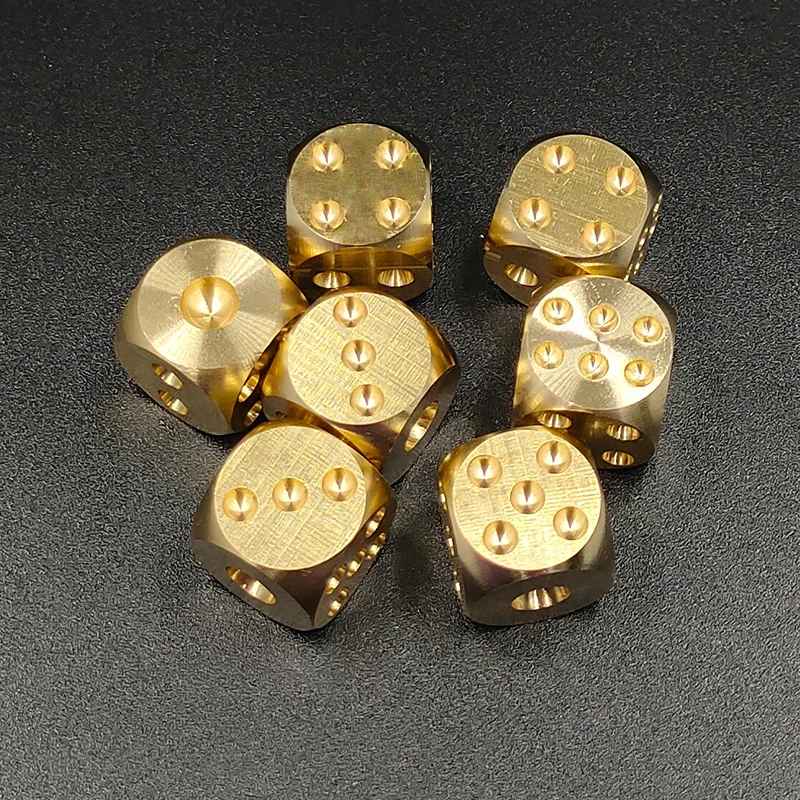
How to Care for Solid Brass Dice
Brass is low-maintenance. The main considerations:
- Let the patina develop naturally. The oils from your hands will gradually deepen the color of the brass over months of use. This is a feature — don't fight it by over-polishing. The aged look is part of what makes brass dice special.
- Wipe occasionally with a dry cloth. If you prefer a brighter look, a quick wipe with a microfiber cloth removes surface fingerprints and keeps the finish looking fresh without removing the underlying patina.
- Polish to restore brightness when desired. A jewelry polishing cloth removes tarnish and restores a brighter brass color if the patina goes further than you'd like. Brass is forgiving — you can adjust the look anytime.
- Store in a pouch. Brass-on-brass contact can leave small marks over time. A fabric pouch or dice bag keeps the pair protected between sessions.
- Roll on a soft surface. Like all metal dice, brass dice can scratch tile, glass, or unprotected hardwood. A dice tray or felt mat is the right surface for heavy dice.
The $16 Question: Are They Worth It?
At $16 for a pair, the Solid Brass Dice sit in an interesting price territory. They cost more than a bag of plastic dice. They cost significantly less than collector brass dice from specialty manufacturers ($50–150+). The quality is genuinely premium, the material is real brass, and the stonewash finish is hand-applied.
The question isn't really whether they're worth $16. The question is whether you're buying dice for a campaign season or for the next decade. If you want something disposable, buy plastic. If you want something that gets better with time and lasts as long as you play games, the Solid Brass Dice Pair at BigMoetsy makes the math obvious.
For players who want a full metal polyhedral set alongside these, the Metal Polyhedral Dice Set from the same Gaming Gear category pairs naturally — covering all game types from D&D to mahjong with premium metal throughout.
Shop These Picks on BigMoetsy
Solid Brass Dice Pair — Hand-Polished Stonewash
$16.00 View product →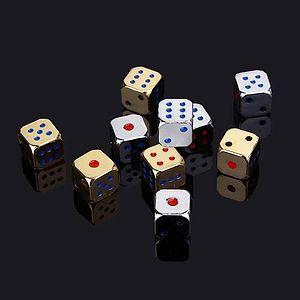
Metal Polyhedral Dice Set — 300+ Sold
$19.00 View product →
Galaxy Projector Night Light
$52.00 View product →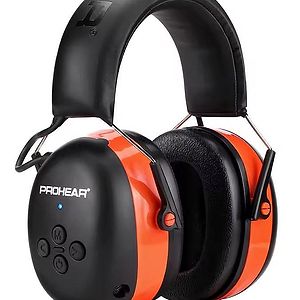
Bluetooth Noise Reduction Earmuffs
$70.00 View product →Dice that outlast every campaign
Solid brass, hand-polished, $16 (Free Shipping on All Orders). The last dice you'll ever need to buy.
Get the Brass Dice PairFrequently Asked Questions
What are solid brass dice used for?
Solid brass dice are used for mahjong, tabletop games, board games, and as tactile desk objects for collectors. The 15mm size of the BigMoetsy Solid Brass Dice Pair is standard for mahjong play. They're also popular as display pieces, photography props, and gifts for tabletop gaming enthusiasts who want something that ages beautifully with use.
Are brass dice better than zinc alloy dice?
Brass dice are denser and heavier than zinc alloy dice, which makes them feel more substantial in hand. Brass also develops a natural patina over time — a subtle darkening and warming of color from handling — which zinc alloy does not. For collectors and players who want a dice set that improves with age, solid brass is the better material. Zinc alloy is more affordable and works well for regular gaming; brass is for those who want something more permanent.
What does stonewash finish mean on dice?
Stonewash finish on dice refers to a tumbling process where the dice are polished with abrasive media to create a slightly matte, textured surface rather than a high-gloss shine. On brass dice, stonewash creates a warm, slightly aged appearance that contrasts nicely with the natural yellow-gold of raw brass. The BigMoetsy Solid Brass Dice Pair uses a hand-polished stonewash that preserves the warmth of brass while eliminating the overly shiny look of mirror-polished dice.
How heavy are solid brass dice?
Solid brass dice are noticeably heavier than standard gaming dice. A 15mm solid brass die weighs approximately 30–40 grams depending on die type — roughly 8-10x heavier than a standard plastic d6. This heft is exactly what makes brass dice so satisfying: every roll feels deliberate, and the sound of brass dice on a hard surface is completely distinct from plastic.
Do brass dice need maintenance?
Minimal maintenance. Natural brass patinas over time with handling — this is a feature, not a flaw. To slow patina development, wipe dice occasionally with a dry cloth. To clean tarnish, a brief polish with a jewelry cloth restores brightness. Avoid harsh chemicals or abrasives. Store in a dice bag or pouch to prevent the dice scratching each other's surfaces.