
There's a specific moment in every tabletop RPG campaign when someone at the table rolls metal dice for the first time. The sound is different. The weight is different. The entire table notices.
Metal polyhedral dice have become the standard upgrade for serious D&D players, Pathfinder groups, and tabletop RPG fans who've decided that the $4 plastic set from the game store is fine — but not what they actually want. This guide covers what makes metal dice better, who they're for, and exactly what to look for when buying your first set.
What Is a Metal Polyhedral Dice Set?
A polyhedral dice set is the standard collection of dice used in tabletop RPGs. "Polyhedral" just means many-sided — the set includes every die shape needed for D&D 5e, Pathfinder, and most other systems: the four-sided d4, six-sided d6, eight-sided d8, ten-sided d10, percentile d10, twelve-sided d12, and the iconic twenty-sided d20.
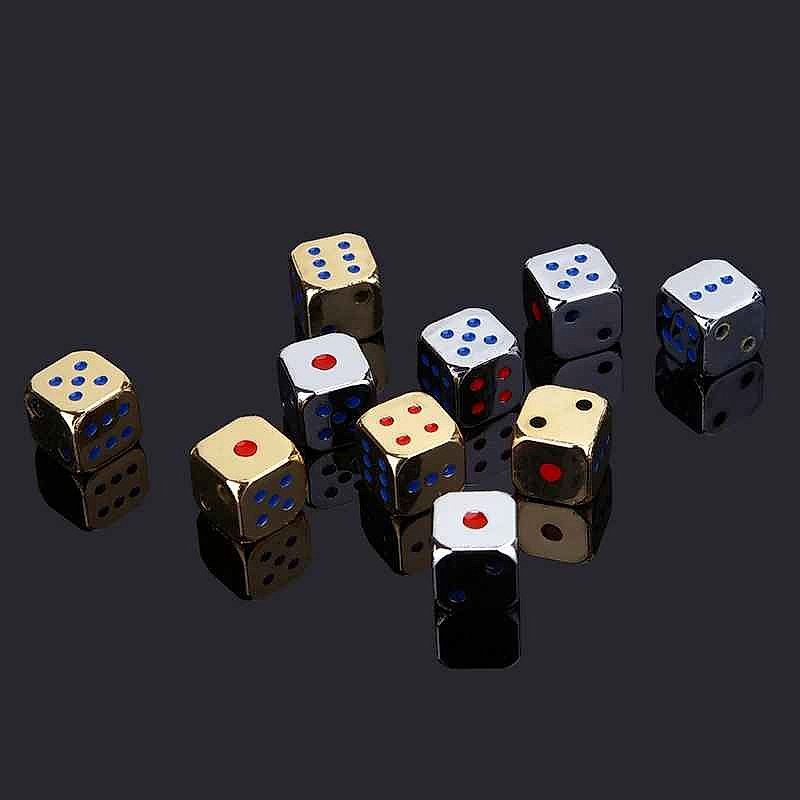
A metal polyhedral dice set casts or machines those same dice in metal — typically zinc alloy (zamak) or heavier materials like brass or aluminum — rather than plastic resin. The result is a set that weighs noticeably more, feels intentional in hand, and survives indefinitely without the chipping, fading, or ink wear that eventually degrades plastic sets.

Who Are Metal Polyhedral Dice For?
Metal dice aren't for every player — and that's fine. Here's a clear breakdown of who benefits most:
- Dedicated players and DMs: If you're running or playing in a long-form campaign (months or years), you want dice that match the investment. Metal dice communicate that you're here for the long game.
- Collectors and hobbyists: Metal dice are inherently collectible. The weight, finish, and shelf presence of a quality metal set sits differently on your desk than a bag of plastic.
- Gift buyers: If you're buying for a tabletop gamer, metal dice are the upgrade gift they'd buy themselves but haven't yet. At $19, the Metal Polyhedral Set from BigMoetsy is one of the most value-dense gifts in gaming gear.
- Players who roll in style: Live-stream players, content creators, and anyone at a table who cares about how their setup looks. Metal dice photograph better, catch light differently, and add a visual layer to recorded sessions.
Metal dice are not ideal for players who need portability above everything else, or who play on glass or tile surfaces (metal on hard surfaces scratches — always roll on a padded tray).
Why Choose Metal Over Plastic Dice?
The comparison isn't close once you've held both. Here's what actually changes when you switch:
| Category | Standard Plastic | Metal Polyhedral |
|---|---|---|
| Weight per die | ~3–5g — barely registers | ~20–40g — satisfying, deliberate |
| Roll sound | Light clatter on most surfaces | Distinct, resonant sound with proper weight |
| Durability | Chips, fades, ink wears over years | Indefinite lifespan — metal doesn't degrade |
| Readability | Varies widely by quality | Color-inlaid pips contrast sharply against metal |
| Table presence | Functional, forgettable | Draws attention, elevates the table aesthetic |
| Gift-ability | Easily forgotten | Memorable, display-worthy |
A Closer Look: Metal Polyhedral Dice Set with Colorful Pips
The Metal Polyhedral Dice Set at BigMoetsy has moved 300+ units — which, in the niche world of premium dice, is meaningful signal. Here's what the product actually delivers:
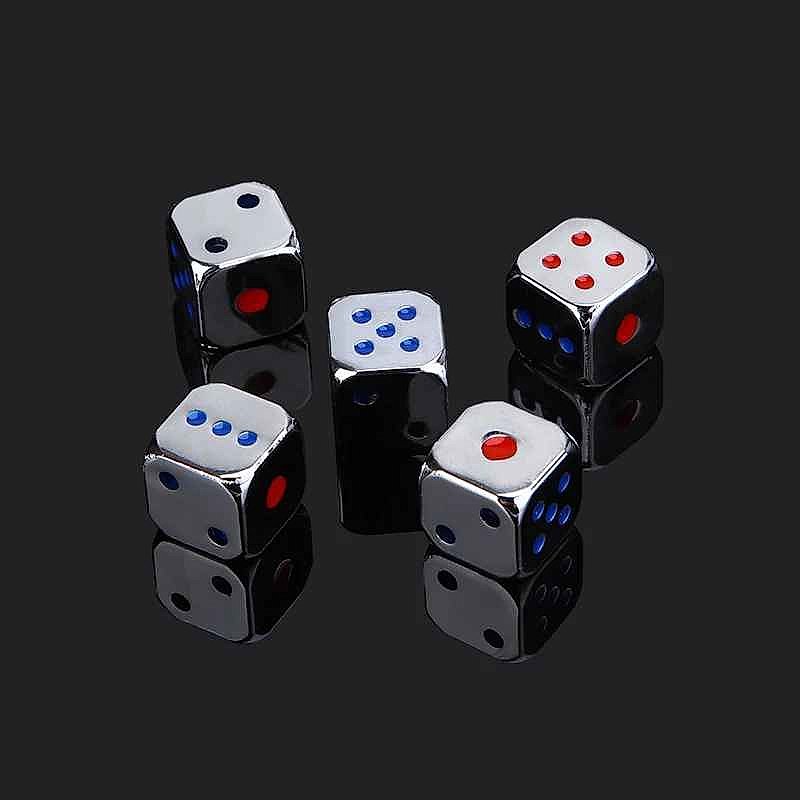
The 13mm size is standard for metal dice — large enough for comfortable reading, small enough to fit in a dice bag alongside plastic sets. The color-inlaid pips solve the biggest readability problem with metallic dice: number contrast against a shiny surface. High-contrast fill means you're reading results at a glance, not squinting across the table.

How to Use Metal Polyhedral Dice Without Damage
Metal dice require slightly different handling than plastic — but the adjustments are minimal:
- Always roll on a soft surface. A padded dice tray, folded cloth, or leather mat protects both your dice and your table. Hard surfaces scratch metal and make a lot of noise.
- Store in a dice bag or case. Metal-on-metal contact can scuff finishes over time. Keep dice in the included bag or a separate pouch to maintain the polish.
- Clean with a dry cloth. If the finish dulls slightly, a dry microfiber cloth restores it. Avoid harsh chemicals or abrasives — they'll damage the color-filled pips.
- Don't mix with dice trays that aren't rated for metal. Some acrylic trays crack under the impact weight of metal dice. Leather and felt trays handle metal dice fine.
Metal Dice as a Gift: The Case for $19
At $19 with Free Shipping on All Orders, the Metal Polyhedral Dice Set occupies a price point that's nearly impossible to beat for tabletop gamers. It's above impulse-buy plastic sets ($4–8), below dedicated collector dice ($60–150+), and sits exactly in the range of a "I thought of you" gift that actually lands.
For birthdays, holidays, campaign milestones, or DM appreciation gifts, metal dice communicate something a bag of plastic simply can't. The Gaming Gear section at BigMoetsy also carries the companion Solid Brass Dice Pair for players who want an even heavier, heirloom-grade option alongside their standard polyhedral set.
Shop These Picks on BigMoetsy
Metal Polyhedral Dice Set — 300+ Sold
$19.00 View product →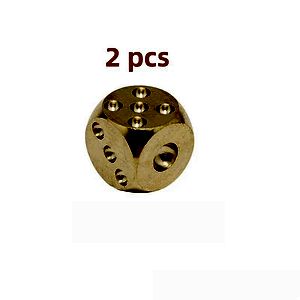
Solid Brass Dice Pair — Hand-Polished
$16.00 View product →
Galaxy Projector Night Light
$52.00 View product →
Bluetooth Noise Reduction Earmuffs
$70.00 View product →Ready to upgrade your dice?
Metal polyhedral dice at $19 — Free Shipping on All Orders, 300+ sold. The table upgrade that costs less than dinner.
Get the Metal Dice SetFrequently Asked Questions
Are metal polyhedral dice worth it?
Yes — for players who care about the feel of their rolls. Metal dice are 3-5x heavier than plastic, which makes every throw feel deliberate. They don't chip, crack, or fade over years of use. The premium finish holds up under repeated handling in a way plastic simply can't. If you play regularly or DM campaigns, the upgrade from plastic to metal dice is immediately noticeable at the table.
What is the best metal dice set for D&D?
The best metal polyhedral dice set for D&D should include all standard die types (d4, d6, d8, d10, d12, d20, and percentile d10), be made from zinc alloy or solid metal rather than hollow shells, and have clearly readable number engravings filled with contrasting color. The Metal Polyhedral Dice Set with Colorful Pips available at BigMoetsy ($19) hits all three criteria and has 300+ sales from satisfied tabletop players.
How many dice are in a polyhedral dice set?
A standard polyhedral dice set for tabletop RPGs includes 7 dice: d4, d6, d8, d10, percentile d10, d12, and d20. Some sets include extras like additional d6s. The BigMoetsy Metal Polyhedral Dice Set is a 5-piece set — perfect for standard play across D&D 5e, Pathfinder, and most other tabletop RPG systems.
What metal are gaming dice made from?
Most metal gaming dice are cast from zinc alloy (zamak), which is durable, affordable, and takes plating well. Higher-end dice use solid brass, copper, or aluminum. The Metal Polyhedral Dice Set at BigMoetsy uses polished metal with color-inlaid pips for maximum readability. Zinc alloy dice are ideal for regular play — heavy enough for satisfying rolls, durable enough for years of table use.
Will metal dice damage my dice tray or rolling surface?
Metal dice can scratch hard surfaces like glass, unfinished wood, and some acrylic trays. Always roll metal dice on a soft surface: a padded dice tray, folded cloth, or leather mat. They're not suitable for unprotected tile or glass tabletops. Using a quality dice tray ($15–30) solves this entirely and keeps dice on the table rather than scattering.