Anyone who works with loud equipment knows the tradeoff: put on hearing protection and lose the ability to listen to music or a podcast, or go without and accept the long-term consequences. Over time, that's not really a choice — sustained exposure to 85dB and above causes permanent hearing loss. The protection is non-negotiable. The question is whether you have to be bored while you use it.
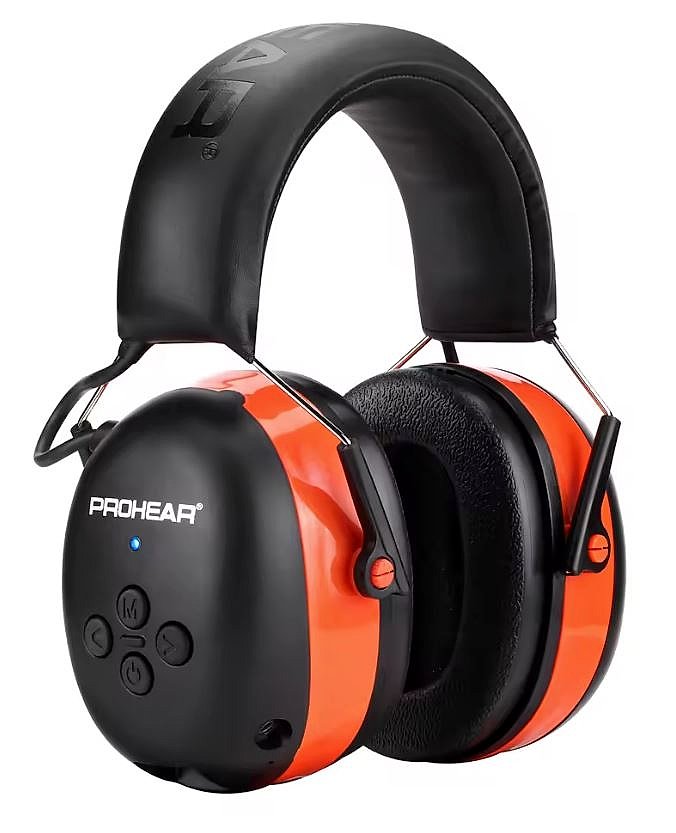
The PROHEAR Bluetooth Safety Earmuffs remove that tradeoff entirely. They're ANSI-rated hearing protectors with SNR 30dB noise reduction and a built-in Bluetooth 5.0 speaker system that runs for 120 hours on a single charge. One pair of earmuffs. Full ear protection. Music or podcasts from your phone. No compromise.
What Are PROHEAR Bluetooth Safety Earmuffs?
PROHEAR is a hearing protection brand that has built its identity around the intersection of workplace safety and everyday usability. Their flagship Bluetooth earmuffs are classified as personal protective equipment (PPE) — they meet the same noise reduction standards required for construction sites, workshops, and industrial settings — but they ship with the kind of wireless audio quality you'd expect from consumer headphones.
The result is a product that serves two audiences at once: the professional who wants to protect their hearing on the job and still stay connected, and the homeowner who fires up a lawn mower or circular saw on weekends and is tired of the silence. Both groups come away with the same thing — protected ears, and something worth listening to while the work gets done.
Who Actually Needs Safety Earmuffs with Bluetooth?
Lawn and garden workers
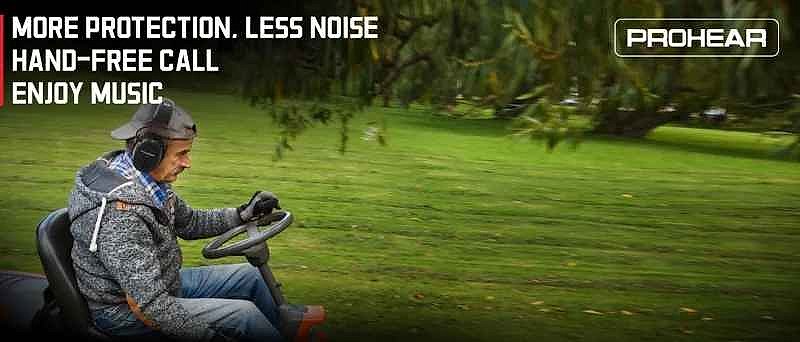
A gas lawn mower produces around 90–95dB at operator level — well above the 85dB threshold where OSHA recommends hearing protection for sustained exposure. Most people who mow regularly don't wear protection because the alternative was silence or tangled earbuds that fell out. Bluetooth earmuffs change that calculation completely. You mow for an hour with hearing protection on, listening to whatever you want, and you're done. No cable, no fallout, no tradeoff.
Workshop and power tool users
Table saws run at 100–110dB. Routers, planers, and belt sanders aren't far behind. For anyone who spends serious time in a home workshop or professional shop, hearing protection isn't optional — the question is just which type. Over-ear earmuffs consistently outperform foam earplugs for NRR/SNR rating at equivalent price points, and the PROHEAR Bluetooth model makes wearing them for multi-hour sessions genuinely enjoyable rather than something to endure.
Construction workers and outdoor laborers
Jackhammers, air compressors, nail guns, and heavy equipment run at 95–120dB. Workers on active job sites are often required to wear hearing protection by law. Earmuffs that allow wireless audio don't just improve the experience — they allow workers to take calls and receive communications without removing protection, which matters in environments where it's inconvenient or unsafe to take the earmuffs off repeatedly throughout the day.
Gift buyers looking for practical presents
This is one of those products that's genuinely useful for anyone who has outdoor or workshop hobbies, but wouldn't necessarily buy it for themselves. The 123 units sold figure on BigMoetsy suggests exactly that pattern — people who own a lawn, have a dad who builds things, or know someone with a noisy job have found this. At $70, it sits in a gift price range where it feels substantial without being extravagant.
Key Specs Breakdown
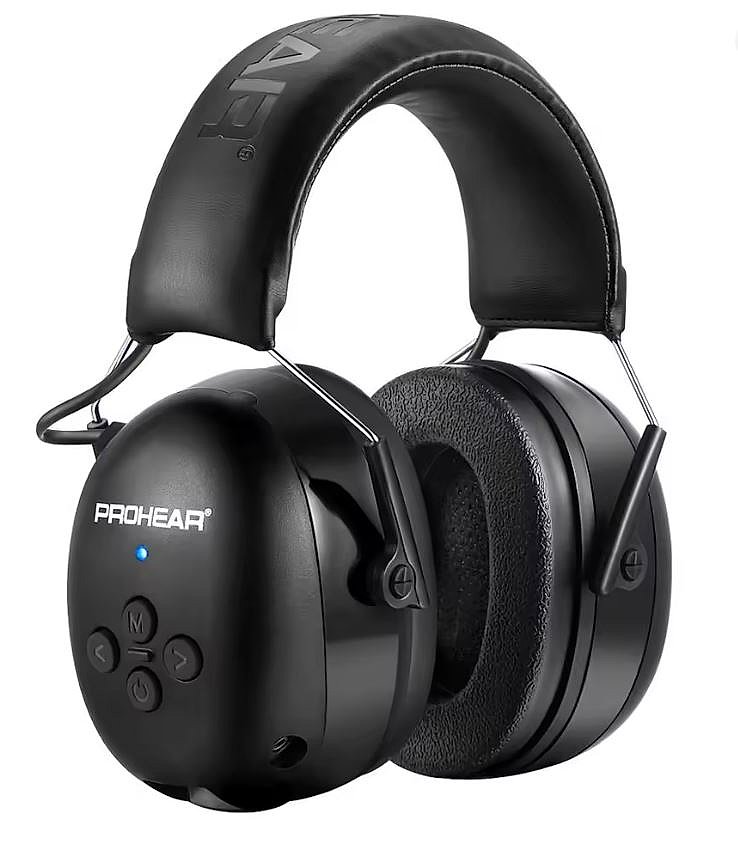
- SNR 30dB noise reduction. SNR (Single Number Rating) is the European/international standard. 30dB is a strong rating — it means a 90dB mower reaches your ears at roughly 60dB, which is the level of a normal conversation. This is not the kind of nominal protection that barely takes the edge off.
- Bluetooth 5.0. The latest Bluetooth standard at time of writing. Faster pairing, more stable connection, and efficient power draw that contributes to that 120-hour battery figure. Connection range is approximately 10 meters.
- 120-hour battery life. This is the most striking spec on this product. Most Bluetooth headphones run 20–40 hours. 120 hours means you charge this thing roughly once every two weeks if you use it for a few hours a day — or once every two months if it's a weekend-only tool.
- 4-hour recharge time. From empty to full in 4 hours via USB. Charge it the night before a big mowing day and it will last all season.
- Comfortable clamping force. The headband exerts enough pressure to create a proper acoustic seal — which is what actually delivers the 30dB rating — without causing the jaw pain or headache that poorly calibrated earmuffs can cause over multi-hour use.
Regular Earmuffs vs PROHEAR Bluetooth
| Feature | Standard Safety Earmuffs | PROHEAR Bluetooth Earmuffs |
|---|---|---|
| Noise reduction rating | SNR 25–33dB (varies) | SNR 30dB |
| Audio playback | None | Bluetooth 5.0 wireless |
| Battery required | No battery needed | 4-hour charge (120-hr runtime) |
| Phone calls | Must remove earmuffs | Built-in microphone |
| Price range | $10–$35 | $50–$90 |
| Motivation to actually wear them | Low — silence is tedious | High — you have something to listen to |
| Use case fit for extended outdoor work | Technically adequate | Genuinely comfortable |
That last row in the table is the one that matters most. The best hearing protection is the kind you actually put on. Standard earmuffs often stay on the shelf because wearing them means complete sensory isolation — no music, no podcasts, just the muffled roar of the engine for an hour. PROHEAR's Bluetooth model removes that barrier. The protection gets used because using it is no longer a sacrifice.
How Long Does the Battery Actually Last?
The 120-hour battery claim is real, but it's worth contextualizing. That figure is based on audio playback at moderate volume. In typical use — Bluetooth connected, music playing at around 60–70% volume — expect 100–120 hours. At maximum volume, expect somewhat less. Either way, you're looking at weeks between charges for most users.
For comparison: Apple AirPods Max last roughly 20 hours. Sony's WH-1000XM5 gets about 30 hours. Most consumer over-ear headphones don't approach 50 hours. PROHEAR's 120-hour figure is achievable because the Bluetooth hardware is optimized for efficiency over fidelity — this is a work tool, not a premium listening device. The audio quality is clear and functional, not audiophile-grade. That's the right tradeoff for the use case.
Are They Worth $70?
The direct comparison is: good standard safety earmuffs run $15–35. Add a pair of wireless earbuds at $30–60, and you're at $45–95 for the same functional outcome — hearing protection plus wireless audio — but with the added problems of earbuds that fall out, battery systems that need separate charging, and earbuds that don't fit under earmuffs without discomfort.
The PROHEAR Bluetooth earmuffs consolidate that into one $70 device that is easier to put on, more comfortable over long sessions, doesn't require managing two separate battery systems, and actually delivers better hearing protection than consumer earbuds under earmuffs (which can compromise the seal). For anyone doing regular outdoor or workshop work, $70 is straightforward value.
The gift case is arguably even stronger. A $70 gift that protects someone's hearing and makes their most tedious chores more enjoyable is a practical win — the kind of thing people use every week and remember that you gave it to them.
Shop These Picks on BigMoetsy
PROHEAR Bluetooth Safety Earmuffs
$70.00 View product →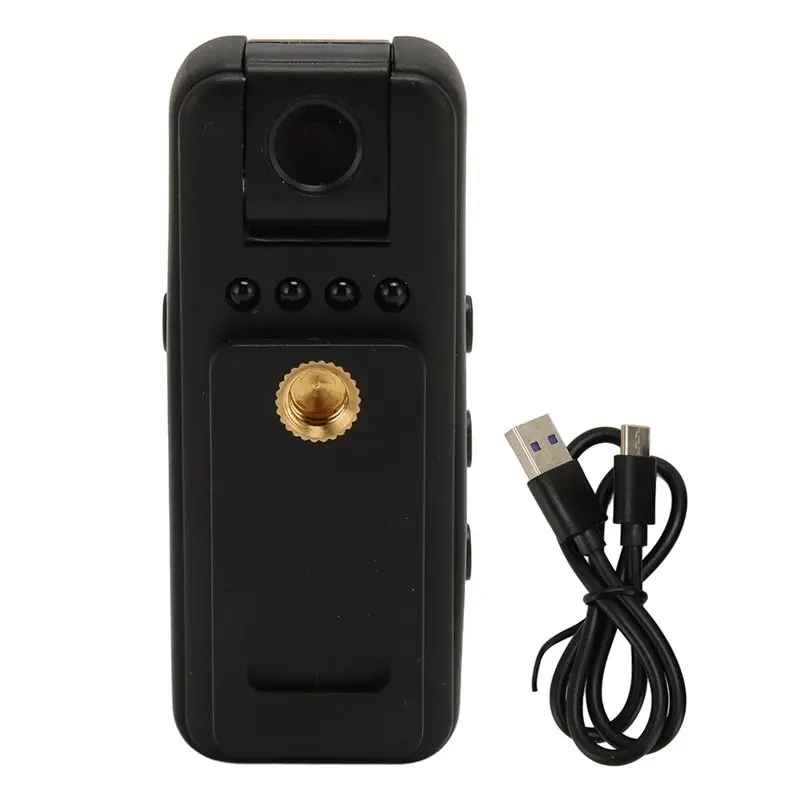
Wearable Body Camera 1080p HD
$24.00 View product →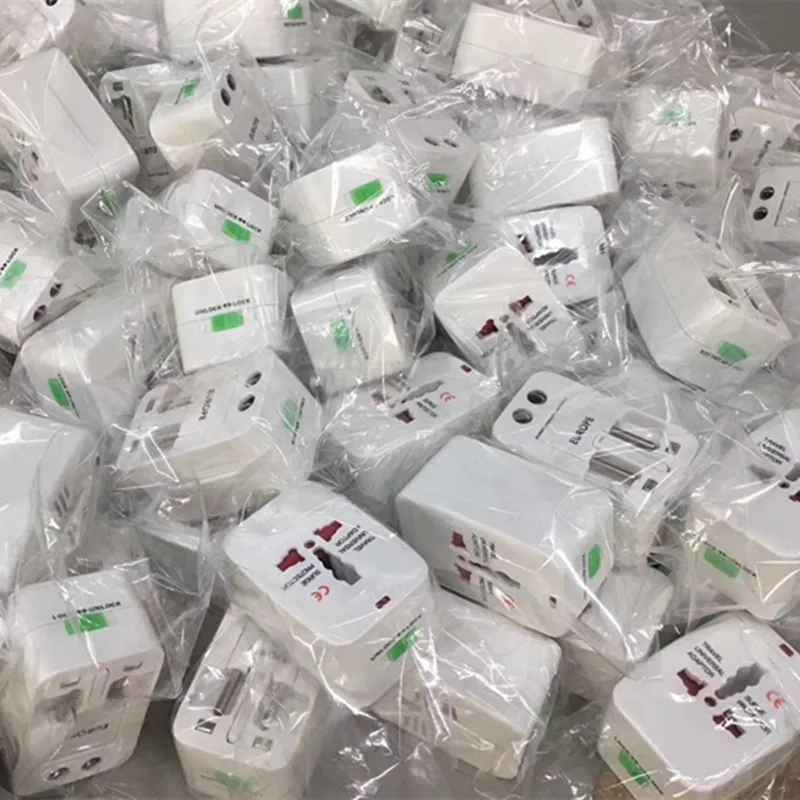
Universal Travel Adapter — 150+ Countries
$24.00 View product →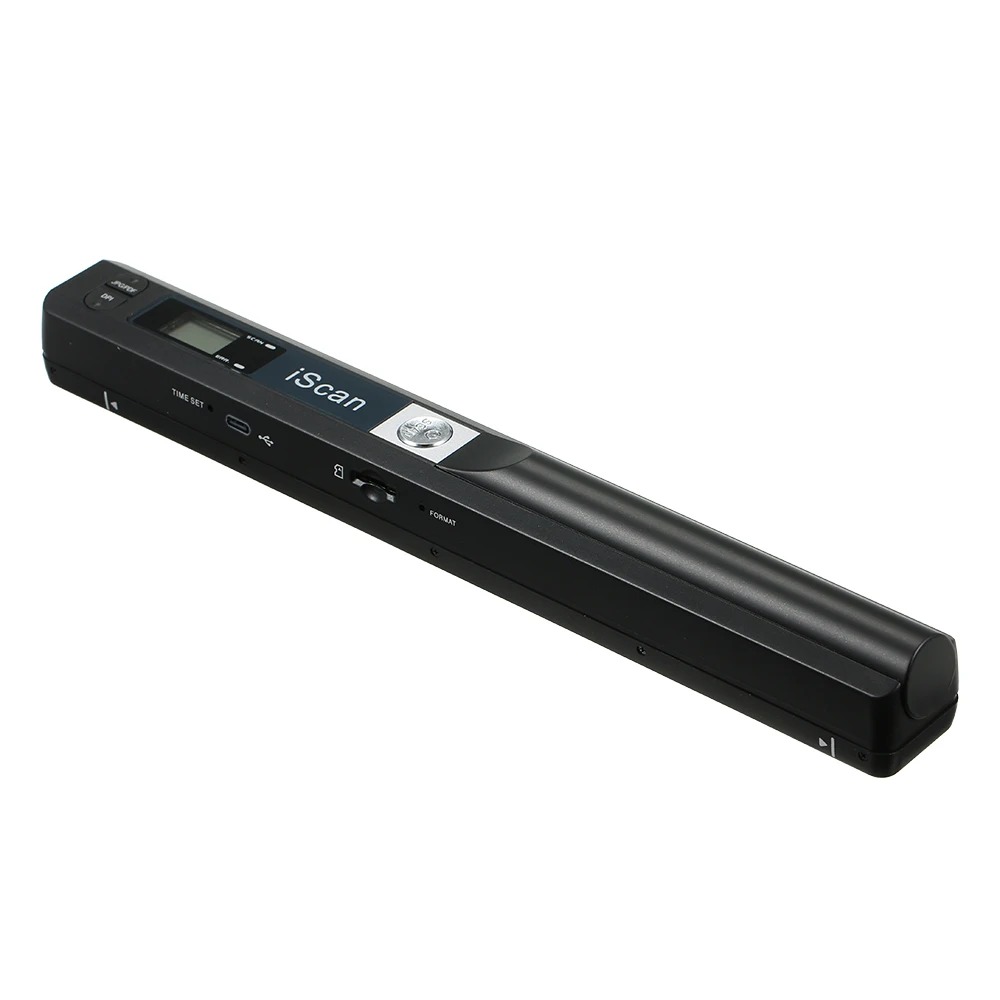
Portable Handheld A4 Scanner
$59.00 View product →Protect your ears without losing the music
SNR 30dB hearing protection with 120-hour Bluetooth audio. The last pair of work earmuffs you'll need to buy.
Shop Tech GadgetsFrequently Asked Questions
What does SNR 30dB mean in practice?
SNR (Single Number Rating) is the European standard for measuring how much noise a hearing protector reduces. An SNR of 30dB means the earmuffs reduce the sound reaching your ears by approximately 30 decibels. In practical terms: a lawn mower runs at around 90dB. With SNR 30dB protection, your ears receive roughly 60dB — about the level of a normal conversation. Power tools and workshop machinery running at 95–105dB are brought down to comfortable, safe listening levels.
Can you still hear someone talking while wearing these?
With music playing via Bluetooth, you will not clearly hear conversation — that's the point. If you pause the music, you can hear raised voices at close range, similar to talking while wearing foam earplugs. The PROHEAR model focuses on passive noise isolation plus Bluetooth audio rather than electronic ambient sound monitoring. If you need to hold a quick conversation, pause your audio and speak at a slightly raised volume.
Are PROHEAR earmuffs good for mowing the lawn?
Yes — mowing is the primary use case. A standard gas lawn mower produces 85–95dB at operator level, which OSHA recommends protecting against for sustained periods. PROHEAR's SNR 30dB rating brings mower noise down to safe levels while Bluetooth lets you listen to music or podcasts from your phone in your pocket. The 120-hour battery means you will never need to charge between lawn sessions.
How comfortable are they for all-day wear?
The clamping force is calibrated for a secure acoustic seal without causing pressure fatigue over multi-hour use. The ear cushions use soft foam padding that most users find comfortable for 2–4 hour sessions. For truly all-day wear (8+ hours), taking short breaks every couple of hours is standard practice with any over-ear hearing protection. The headband adjusts to fit most head sizes.
Do they work with both Android and iOS?
Yes. The PROHEAR earmuffs use Bluetooth 5.0, which pairs with any Bluetooth-capable device regardless of operating system. Pairing with an iPhone, Android phone, or tablet follows the same process: enable Bluetooth on your device, hold the power button until the earmuffs enter pairing mode, and select PROHEAR from your device's Bluetooth menu. Connection is stable up to approximately 10 meters (33 feet).