The biggest mistake beginner woodworkers make isn't bad technique — it's bad tools. Cheap chisels that won't hold an edge. A pull saw that flexes instead of cuts. A mallet that's too light to drive a mortise chisel effectively. Bad tools make good technique impossible.
The solution isn't expensive tools. It's the right tools — fewer, better, bought with intention. This guide covers what beginners actually need, which artisan and specialty tools are worth the upgrade, and where to find quality pieces that will outlast your beginner years.
The core principle: Buy 5 excellent tools before you buy 20 mediocre ones. A single good chisel teaches you more in an afternoon than a 10-piece set of cheap ones teaches in a month.
The Beginner's Priority Order
Build your toolkit in this sequence. Each tier unlocks new projects:
-
1
Layout & Marking Tools A good marking knife, combination square, and marking gauge. These are the foundation of everything — accurate layout is more important than any other skill at the start.
-
2
A Quality Saw Japanese pull saws cut on the pull stroke, flex less, and are significantly easier for beginners to control. A 240mm Gyokucho or Suizan saw handles 90% of beginner cuts.
-
3
Chisels (Set of 4) Buy 4 quality chisels before you buy 10 average ones: 1/4", 1/2", 3/4", 1". Narex, Two Cherries, or Blue Spruce handle beginner sharpening and hold an edge through real use.
-
4
A Hand Plane (#4 Bench Plane) Smooths surfaces, flattens boards, and teaches you about grain direction in a way sandpaper can't. A used Stanley or new Lie-Nielsen #4 are both excellent starting points.
-
5
Clamps & a Mallet Start with 4 F-clamps and 2 pipe clamps. Add more with every project. A hardwood or brass mallet for driving chisels — weight and balance matter here.
Artisan & Specialty Tools Worth Buying
These are the areas where quality matters most — and where independent makers consistently outperform mass production.
Marking & Layout Tools
Handmade Wooden Marking Gauge
A marking gauge scores a line parallel to an edge for consistent joinery. Wooden gauges from independent makers use dense hardwoods (rosewood, ebony, lignum vitae) that slide smoothly and lock securely. The feel of a handmade gauge vs a plastic one is immediately obvious. Browse marking gauges at BigMoetsy →
Combination Square (6" + 12")
Starrett or Mitutoyo combination squares are the standard for accuracy. No artisan alternative beats the calibration of a quality machined square — this is one tool where manufacturing precision wins. Buy Starrett, calibrate it, trust it. View layout tools →
Mallets
Turned Wooden Joiner's Mallet
A lathe-turned hardwood mallet in beech, ash, or lignum vitae. Weight distribution matters: a well-balanced mallet transfers force efficiently through chisels without wrist fatigue. Independent turners make mallets in specific weights (12oz, 16oz, 20oz) that production tools can't match. Shop artisan tools →
Brass Mallet
Brass mallets deliver concentrated force in a smaller head — ideal for fine work, carving chisels, and any time you need precision over power. The weight is in the head, not the handle. A well-made brass mallet from an independent maker will last forever. Browse mallets →
Chisels
Bench Chisels (Set of 4 or 6)
Narex (Czech, excellent value), Two Cherries (German), or Blue Spruce (American, premium) are the benchmark brands. Look for O1 or A2 tool steel, which holds a working edge through beginner sharpening habits. Avoid anything in a starter kit box — the steel quality is universally poor. View chisels →
Saws
Japanese Pull Saw (Ryoba 240mm)
Cuts on the pull stroke, creating a thinner kerf with less deflection. The double-sided ryoba style has crosscut teeth on one side and rip teeth on the other — two saws in one. Gyokucho and Suizan are the standard beginner recommendations. Replacement blades extend blade life indefinitely. Shop hand saws →
Tool Storage
Handmade Tool Roll or Tool Tote
Canvas or leather tool rolls protect chisel edges during storage and transport. A good roll has individual pockets that keep tools separated and blade-protected. Handmade versions from independent leatherworkers and canvas makers outlast anything from a hardware store. Browse tool storage →
What to Skip as a Beginner
Spend money on the right things by avoiding these first:
- Starter tool kits. Low-quality steel, poor fit and finish, and tool shapes that don't match how you'll actually work. Buy individual tools in your priority order instead.
- Router tables. Require project-specific jigs and are genuinely unsafe without experience. Skip entirely until you've completed 10+ hand-tool projects.
- Dovetail jigs before hand-cut dovetails. Learn to cut by hand first. The jig becomes faster and more accurate once you understand what good looks like.
- Cheap marking knives. A good marking knife costs $15-30. A bad one slips, chatters, and marks inconsistently. Pfeil or Blue Spruce are reliable choices.
- Sharpening systems before understanding sharpening. Start with a combination waterstone (1000/6000 grit). Learn to sharpen freehand. Then upgrade if you need to.
Where to Find Artisan Woodworking Tools
Quality artisan tools come from a handful of reliable sources:
- BigMoetsy's Artisan Tools category — Verified independent makers, curated quality, Free Shipping on All Orders. The Artisan Tools section carries mallets, marking gauges, tool rolls, and specialty pieces from independent craftspeople.
- Lee Valley / Veritas — Canadian manufacturer of premium hand tools. Not handmade, but consistent quality at fair prices.
- Lie-Nielsen Toolworks — American hand tools benchmarked against 19th-century Stanley planes. Premium tier, worth it for bench planes and saws.
- Local woodworking clubs and tool auctions — Used Stanleys and Records often outperform new budget tools after cleaning and sharpening.
Shop These Picks on BigMoetsy
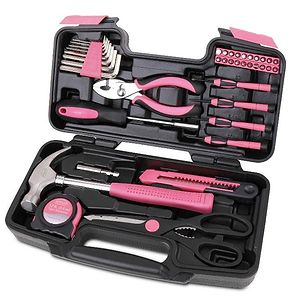
39-Piece Tool Set with Lifetime Warranty
$39.00 View product →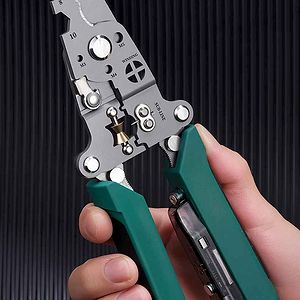
Foldable 4-in-1 Wire Stripper Multi-Tool
$24.00 View product →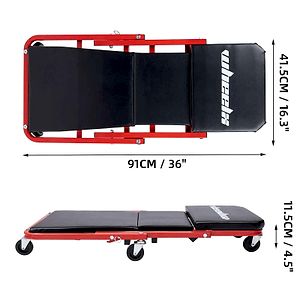
Handpicked Artisan Goods — Curated Set
$76.00 View product →
Bluetooth Noise Reduction Earmuffs
$70.00 View product →Find artisan tools from independent makers
Verified craftspeople, quality over volume, Free Shipping on All Orders. Browse the Artisan Tools collection.
Shop Artisan ToolsFrequently Asked Questions
What tools does a beginning woodworker actually need?
A beginning woodworker needs: a quality marking knife or pencil for layout, a reliable hand saw (Japanese pull saw is excellent for beginners), chisels (a set of 4: 1/4", 1/2", 3/4", 1"), a hand plane (a #4 bench plane is the workhorse), a mallet (wooden or brass), clamps (you can never have enough), and sandpaper in progressive grits (80, 120, 180, 220). Skip cordless drill kits and router tables until you've built 5-10 projects by hand. Foundation skills transfer to power tools; the reverse isn't true.
Are artisan or handmade woodworking tools worth it for beginners?
Yes, selectively. A quality handmade wooden mallet, marking gauge, or tool tote is worth buying artisan because the material and craft directly improves the experience of using it. Hand planes and chisels are worth buying quality-brand (Lie-Nielsen, Veritas, Narex) but not necessarily custom-made. The cases where artisan adds real value: wooden layout tools (marking gauges, squares), mallets (balance and feel matters), tool storage, and sharpening equipment.
What is the best first project for a woodworking beginner?
The best first woodworking projects for beginners are: a small box or tray (teaches measuring, sawing, fitting, and assembly), a wall shelf (adds joinery), a cutting board (introduces grain direction and finishing), or a step stool (introduces leg joinery). These projects are small enough to complete in a weekend but teach every fundamental skill. Avoid furniture as a first project — the complexity leads to abandonment.
How much does it cost to start woodworking as a beginner?
A solid beginner toolkit costs $150-350 buying quality hand tools: Japanese pull saw ($25-45), set of 4 chisels ($40-80), #4 hand plane ($50-150 depending on brand), wooden mallet ($30-60), marking gauge ($20-40), and basic clamps ($30-60 for a starter set). This covers hand-tool woodworking without power tools. Add a basic workbench ($100-200 to build from plans) and you have everything needed to build real projects.
What woodworking tools should beginners avoid buying?
Beginners should avoid: starter tool kits (low-quality tools teach bad habits and break at critical moments), router tables (require project-specific jigs and unsafe without experience), table saws (high risk for beginners, expensive, space-intensive), dovetail jigs before cutting dovetails by hand (skips foundational skill-building), and cheap chisels (they won't hold an edge, making every joint frustrating). Buy fewer, better tools rather than a complete kit of mediocre ones.