A shoppable guide to things actually worth keeping.
When you buy mass-produced, you're buying what's convenient. When you buy handmade, you're buying what's considered.
There's a reason. Mass production optimizes for cost, speed, and scale. Handmade optimizes for something else: intention. One person made a choice about every detail. They felt weight in their hands. They tested. They failed and tried again. By the time it reaches you, the thing has already been refined by someone who cared if it worked.
You feel the difference.
What You Actually Get With Handmade
Durability that develops character
A mass-produced serving platter looks fine on day one. By month six, you've got a dull finish and a regret. A handcrafted piece? It gets better with use. Wood serving rounds actually improve as oils build into the grain. Handcrafted textiles soften. These aren't signs of wear — they're evidence of living with something good.
Uniqueness without trying
Two supposedly "identical" mass-produced items are actually identical. Boring. Handmade means small variations that make it yours. The crochet piece you own isn't the same as anyone else's — slight color variation, authentic imperfection, signature of the maker's hands. That's not a flaw. That's proof it's real.
Resale value
Mass-produced goods depreciate the moment you buy them. Handmade pieces hold value because they're scarce and they last. Handmade goods typically hold 40–60% of their value in resale markets. Mass-produced goods are worth 5–15%. You can actually pass them on, sell them, or gift them knowing the recipient will treasure them.
The math: A $20 mass-produced serving platter lasts two years. A $34 handmade one lasts a decade. That's $10/year vs. $3.40/year — and one of them you actually want on your table.
The Products That Prove It
1. Handmade Divided Wood Serving Round — The Centerpiece
This is the hero. Hardwood, hand-finished, divided sections for organized serving. It's the piece that actually changes how you entertain.
When you bring this to the table, people notice. Not because it's big or loud — it's the opposite. They notice because it looks made. The grain is visible. The finish catches light differently depending on the angle. This is what handmade looks like when no two are exactly the same.
Uses: Charcuterie. Cheese. Appetizers. Seasonings during cooking. Or simply as a decorative object that makes your table look intentional rather than assembled.
Why it beats mass-produced: A factory serving platter looks sterile. It's meant to be invisible. This one is meant to be seen. Wood develops a patina over time — your use is written into it. In five years, this piece will look better than the day you bought it.
Hero Product
Handmade Divided Wood Serving Round
$34.00 · 1,400+ SoldHardwood, hand-finished, divided sections. Every piece unique — grain pattern and finish vary naturally. Improves with use as wood oils develop. Perfect for charcuterie, cheese, appetizers, or everyday serving.
Shop the Serving Round →2. Handcrafted Crochet Knit Cover-Up Crop Top — The Wearable
Handcrafted crochet isn't a novelty. It's architecture made from string. Every loop connects to the one before it. If one fails, the maker has to fix it by hand. That's why handmade crochet pieces are structurally stronger than machine-knit — the maker feels every weak point and reinforces it.
This crop top works over a swimsuit in summer. Works as a shirt with the right outfit. Works as a reminder that you can own something delicate that actually holds up.
Why it beats mass-produced: Crochet machines exist, but they can't replicate what a maker's hands can do. The texture is different. The fit adapts to your body instead of expecting your body to fit it. Handmade crochet breathes. It moves with you. It doesn't pill or fray because the maker built it to last.
The Broader Collection
Beyond the two hero pieces, BigMoetsy's handmade catalog extends across home decor, textiles, and accessories. Each piece chosen because it's made to last — not made to look good in a product photo.
More Worth Keeping
The Handcrafted Set of 3 Rustic Wood Corner Floating Shelves at $62 brings the same handmade wood character to your walls. Solid construction, corner-mount design, and visual warmth that prefab shelving simply doesn't produce. The Handcrafted 3D Floral Satchel Bag at $55 applies the same principle to daily carry — a bag made to be used, not consumed.
Why This Matters Beyond the Feels
You're not overpaying for handmade. You're paying appropriately for something that:
- Takes time. A handcrafted crochet crop top takes 8–12 hours to make. You're paying for actual labor, not a 12-minute factory run.
- Lasts longer. The math works out. Higher upfront cost, longer lifespan, lower cost per year of use.
- Holds value. Resale on handmade home goods and clothing is real. Try reselling fast fashion and see what happens.
- Supports real work. Not a charity donation — a transaction where someone built a skill, set a fair price, and didn't compromise. That's just business done right.
| Factor | Handmade | Mass-Produced |
|---|---|---|
| Lifespan | 5–10+ years | 1–2 years |
| Resale value | 40–60% of retail | 5–15% of retail |
| Uniqueness | Every piece varies | Identical to thousands |
| Ages well? | Develops character | Degrades visibly |
| Cost per year | Lower (long lifespan) | Higher (frequent replacement) |
Shop Handmade Picks on BigMoetsy
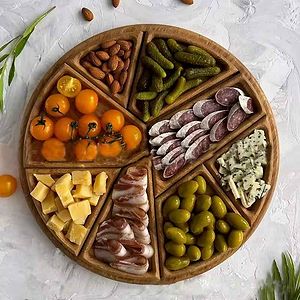
Handmade Divided Wood Serving Round
$34.00 View product →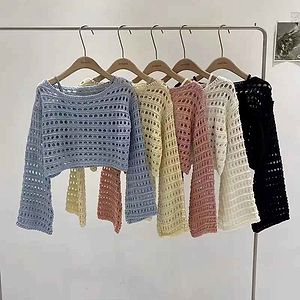
Handcrafted Crochet Knit Cover-Up Crop Top
$19.00 View product →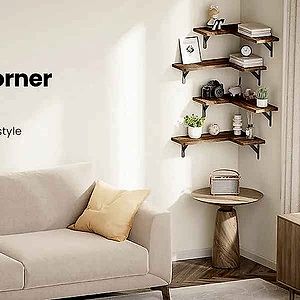
Handcrafted Rustic Wood Corner Floating Shelves (Set of 3)
$62.00 View product →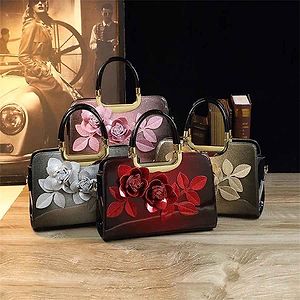
Handcrafted 3D Floral Satchel Bag
$55.00 View product →Discover our curated handmade collection
Every item chosen because it's made to last. Chosen because it develops character. Chosen because owning it is a decision, not a default.
Free Shipping on orders over $50.
Frequently Asked Questions
Why is handmade more expensive than mass-produced?
Because it takes time and skill. A handcrafted crochet top takes 8–12 hours to make. A mass-produced one takes 12 minutes in a factory. You're not overpaying — you're paying fairly for real labor and real materials chosen for longevity, not cost reduction.
How long does handmade stuff actually last?
Significantly longer. Quality handmade wood serving pieces last 5–10+ years and improve with use as oils build into the grain. Handcrafted crochet becomes stronger and softer with age. Mass-produced goods often fail within 1–2 years because they're engineered to minimize cost, not maximize lifespan.
Is handmade actually better quality?
Yes. Because the maker feels every flaw before it ships. A machine makes 1,000 identical pieces. A maker adjusts their work based on what they learn. Handcrafted crochet is structurally stronger than machine-knit because the maker reinforces every weak point by hand.
Does resale value exist for handmade goods?
Yes. Handmade goods hold 40–60% of their value in resale markets because they're scarce and they last. Mass-produced goods are typically worth 5–15% of retail. A handmade wood serving round or handcrafted textile that's well maintained holds real market value.
What if I don't like a handmade piece I ordered?
BigMoetsy guarantees satisfaction. If a handmade piece doesn't work for you, returns are handled directly — no complicated process. Browse the full handmade collection at bigmoetsyos.polsia.app/shop.