Modern home decorating presents a very specific paradox when it comes to walls. Leave them bare and the room feels unfinished — stark, echoing, like you just moved in and haven't gotten around to it yet. Cover them with a gallery wall and suddenly you're deep in a project that requires measuring tape, a level, dozens of nail holes, and the kind of patience most of us abandoned somewhere in our late twenties. Both options require either tolerance for imperfection or significant effort. Neither actually solves the problem.
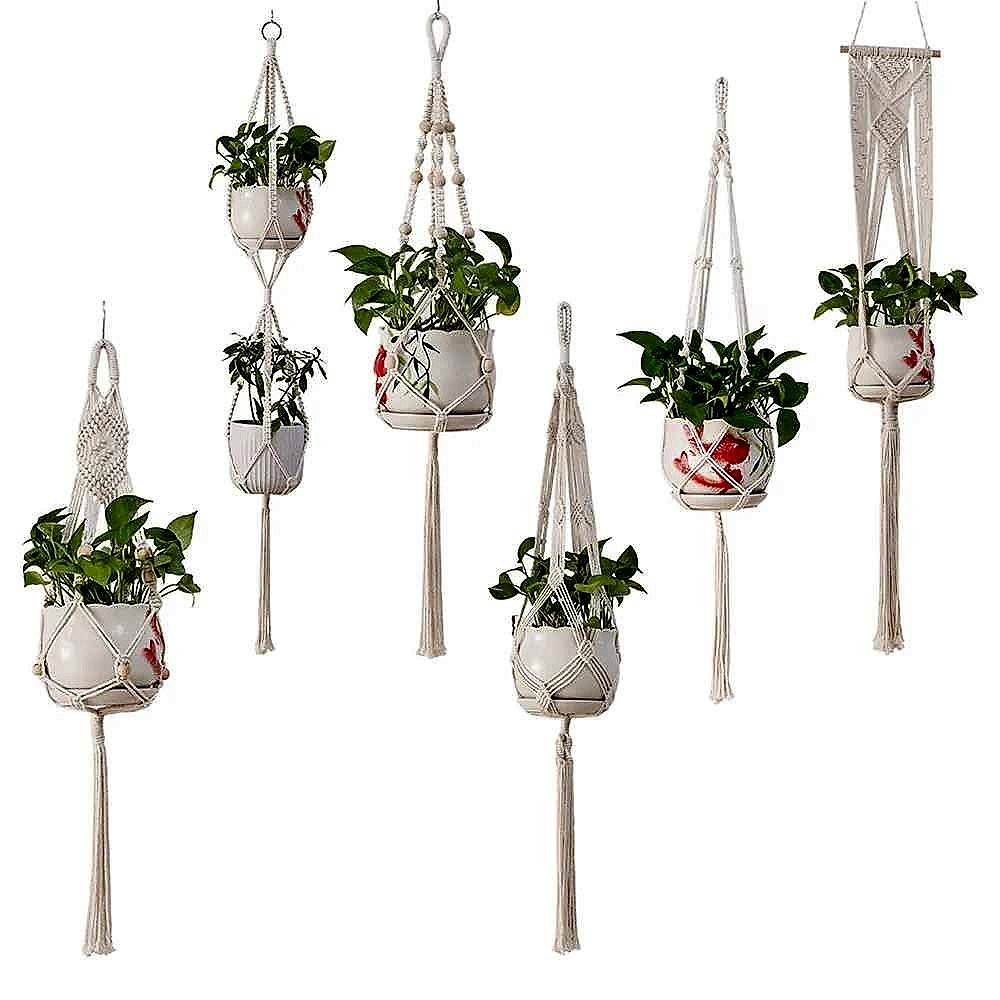
A macrame plant hanger sidesteps the entire dilemma. It adds texture, visual height, warmth, and a living element all at once — and it does it with a single hook in the ceiling or wall. The Bohemian Macrame Plant Hanger with Mesh-Lined Basket has become one of our most-loved pieces for exactly this reason. With over 2,000 sold, it's clearly striking a chord with people who want their homes to feel alive without making decorating a full-time job.
What Is Macrame?
Macrame is the art of knotting cord, rope, or twine into decorative and functional patterns — no needles, no looms, no machines. Just fiber, knots, and the patient hands of a craftsperson. The technique traces its roots back to 13th-century Arabic weavers who fringed the edges of hand-woven textiles with decorative knotwork, and it spread across Europe through trade routes, finding particular favor in Victorian England where it appeared on everything from curtains and tablecloths to hammocks and hanging baskets.
It then quietly disappeared from mainstream interiors for several decades before making a triumphant return in the 1970s, embraced by the bohemian counterculture as the ultimate handmade, back-to-nature textile art. Today's revival is even more considered — macrame has shed its dated associations and re-emerged as a genuinely sophisticated craft, appearing in design hotels, editorial interiors, and the homes of people who care deeply about the difference between something handmade and something manufactured.
What makes macrame plant hangers specifically so enduring is that they solve a real problem: how do you display plants when you're out of shelf space? The answer, it turns out, is to go vertical — and macrame is the most beautiful way to do it.
Bohemian Macrame Plant Hanger with Mesh-Lined Basket
Transform bare walls and corners with handcrafted texture, warmth, and a living plant. The mesh-lined basket holds most standard nursery pots securely. Shop now →
Who Buys Macrame Plant Hangers?
After 2,000 sales, certain patterns emerge in who is drawn to this piece and why.
Boho and maximalist decorators
If your home is a curated collection of textures, patterns, and plants — where rattan chairs share space with woven wall hangings and trailing pothos climb over bookshelves — a macrame plant hanger is almost a required element. It provides the kind of layered, organic texture that makes maximalist spaces feel intentional rather than cluttered. The knotted cotton cord works in harmony with natural fiber rugs, linen curtains, and wooden furniture to build that warm, lived-in atmosphere that defines the bohemian interior at its best.
Plant parents running out of shelf space
There comes a point in every plant collector's journey where every horizontal surface is occupied and yet the plant acquisition does not stop. Hanging planters are the obvious solution, and macrame hangers are far more attractive than the utilitarian alternatives. The mesh-lined basket in this design is particularly well thought out — it holds a standard nursery pot securely without the plant slipping through, while the surrounding knotwork creates a beautiful decorative frame around whatever you choose to grow.
Renters who prefer not to nail walls
Gallery walls require nail holes and commitment. A macrame plant hanger requires one hook — which can be adhesive, tension-mounted, or ceiling-installed — and gives you maximum visual impact with minimum wall damage. For renters who want their space to feel genuinely personal without jeopardizing their security deposit, it's one of the most effective decorating tools available.
Best Plants for a Hanging Macrame Basket
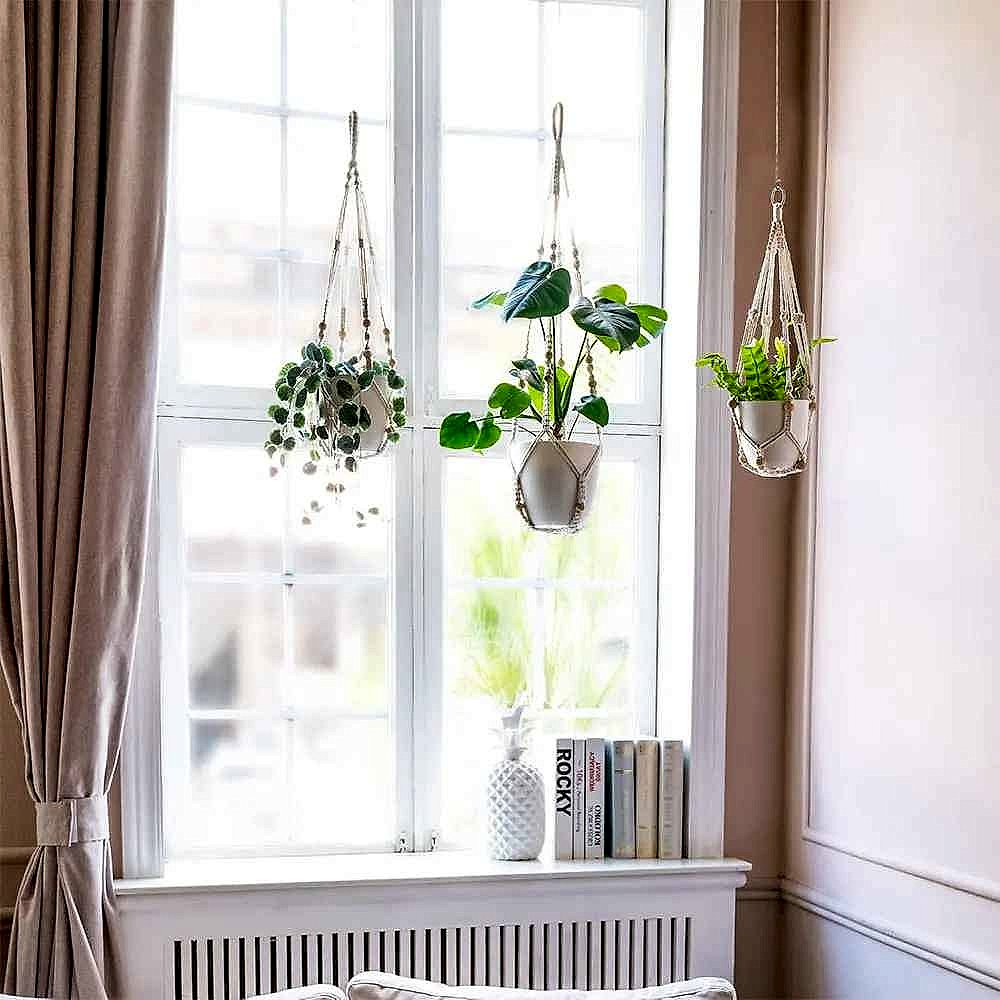
Not all plants hang equally well. The species that look most spectacular in a macrame hanger tend to be trailers and viners — plants whose natural growth habit is to cascade downward, which creates a dramatic, flowing display that amplifies the hanger's visual effect.
Pothos (Epipremnum aureum) is the gold standard. It grows fast, cascades beautifully, tolerates low light, and is incredibly resilient — perfect for anyone new to hanging plants who is still finding their watering rhythm.
String of pearls (Senecio rowleyanus) is more dramatic and sculptural — the bead-like leaves trail like a curtain and create an extraordinary visual effect in a macrame hanger. It needs more light and less water than most, making it ideal for sunny rooms.
Spider plants are forgiving, fast-growing, and produce cascading offshoots (called spiderettes) that dangle from the mother plant like natural ornaments. They're also excellent air purifiers.
Heartleaf philodendron produces large, glossy, heart-shaped leaves that trail generously and tolerate low light better than most hanging plants.
For the mesh-lined basket in this hanger, plants in 4-6 inch nursery pots sit most comfortably and securely. You can always repot into a slightly larger decorative pot if needed.
How to Hang and Style a Macrame Plant Hanger
The most common installation is from a ceiling hook, positioned in a corner or near a window where the plant will get adequate light. Use a stud finder to locate a ceiling joist if you're drilling, or use a weight-rated adhesive ceiling hook for a no-drill option — most macrame plant setups weigh well under the rated limit of a good adhesive hook.
For wall installation, a single angled wall hook works beautifully and creates a slightly different visual dynamic — the hanger leans gently away from the wall, which adds dimension and shadow play. This approach works particularly well in entryways and bedrooms.
In terms of styling, give the hanger room to breathe. It looks best when it has clear space around it rather than being crowded by shelves or furniture. Hanging it in a corner or against a plain wall lets the knotwork itself become the focal point. If you're hanging multiple macrame pieces in one room, vary the heights to create movement and visual rhythm rather than placing them all at the same level.
Pair with warm lighting — a floor lamp nearby or a string of Edison bulbs overhead will cast gorgeous shadows through the knotted cord, turning the hanger into an ambient light sculpture as much as a plant display.
You Might Also Like
Bohemian Macrame Plant Hanger with Mesh-Lined Basket
$28.00 Shop now →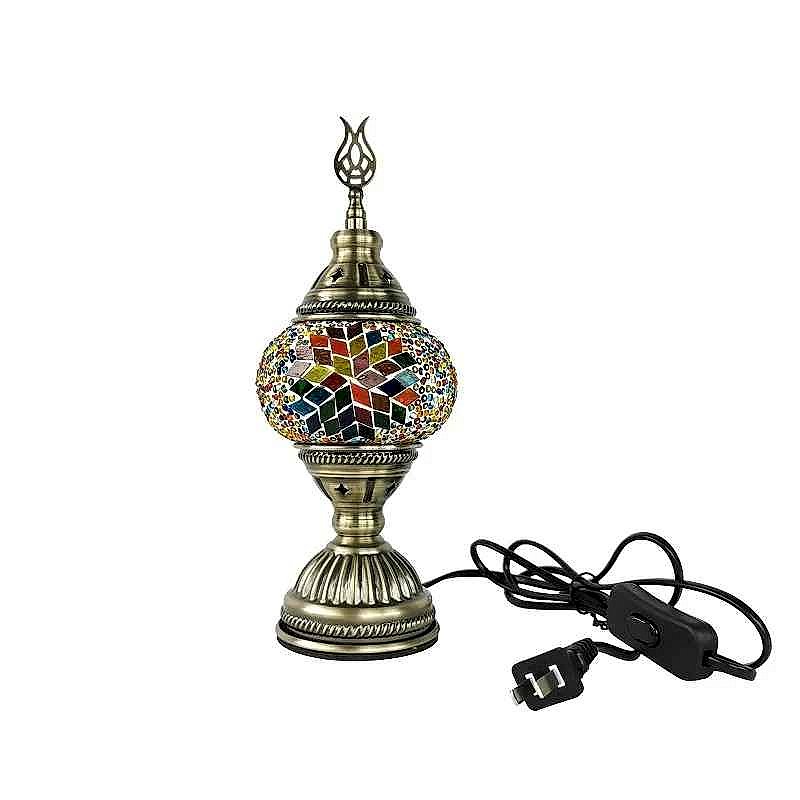
Handmade Turkish Mosaic Stained Glass Table Lamp
$63.00 Shop now →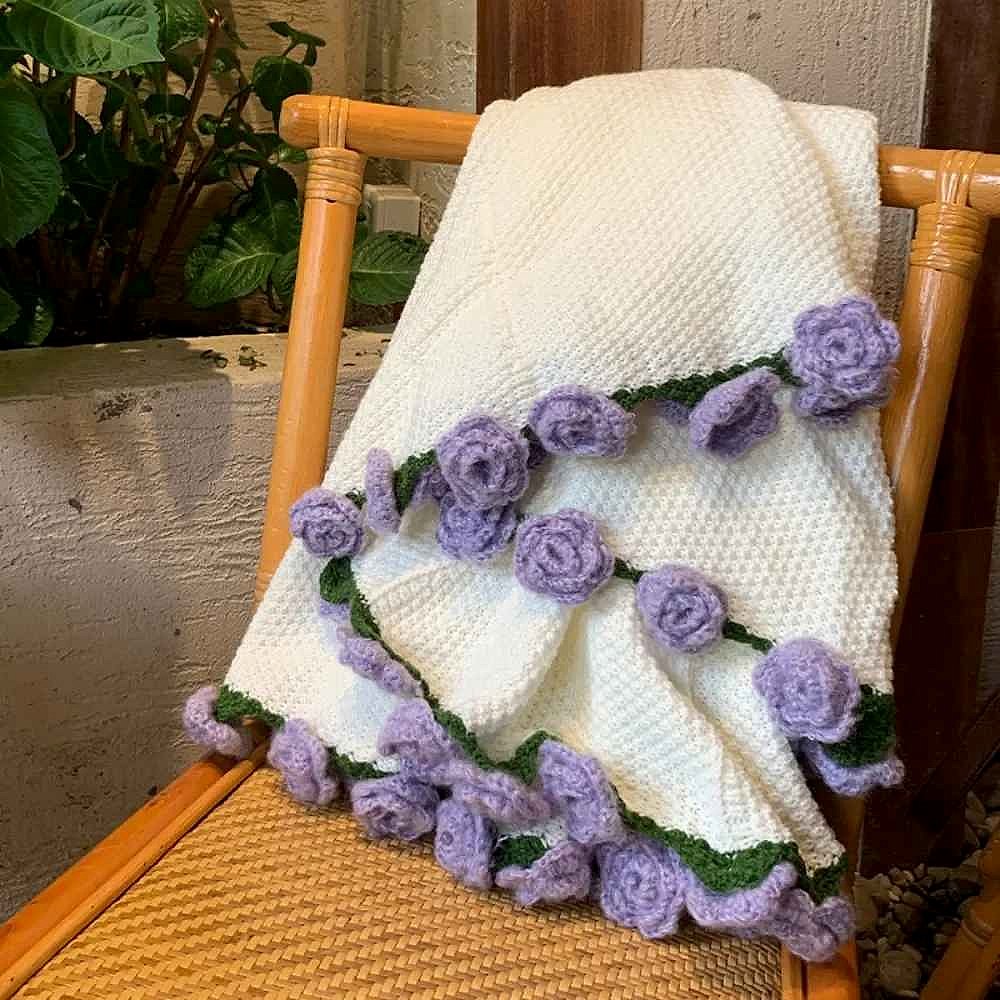
Handmade Crochet Rose Baby Blanket
$42.00 Shop now →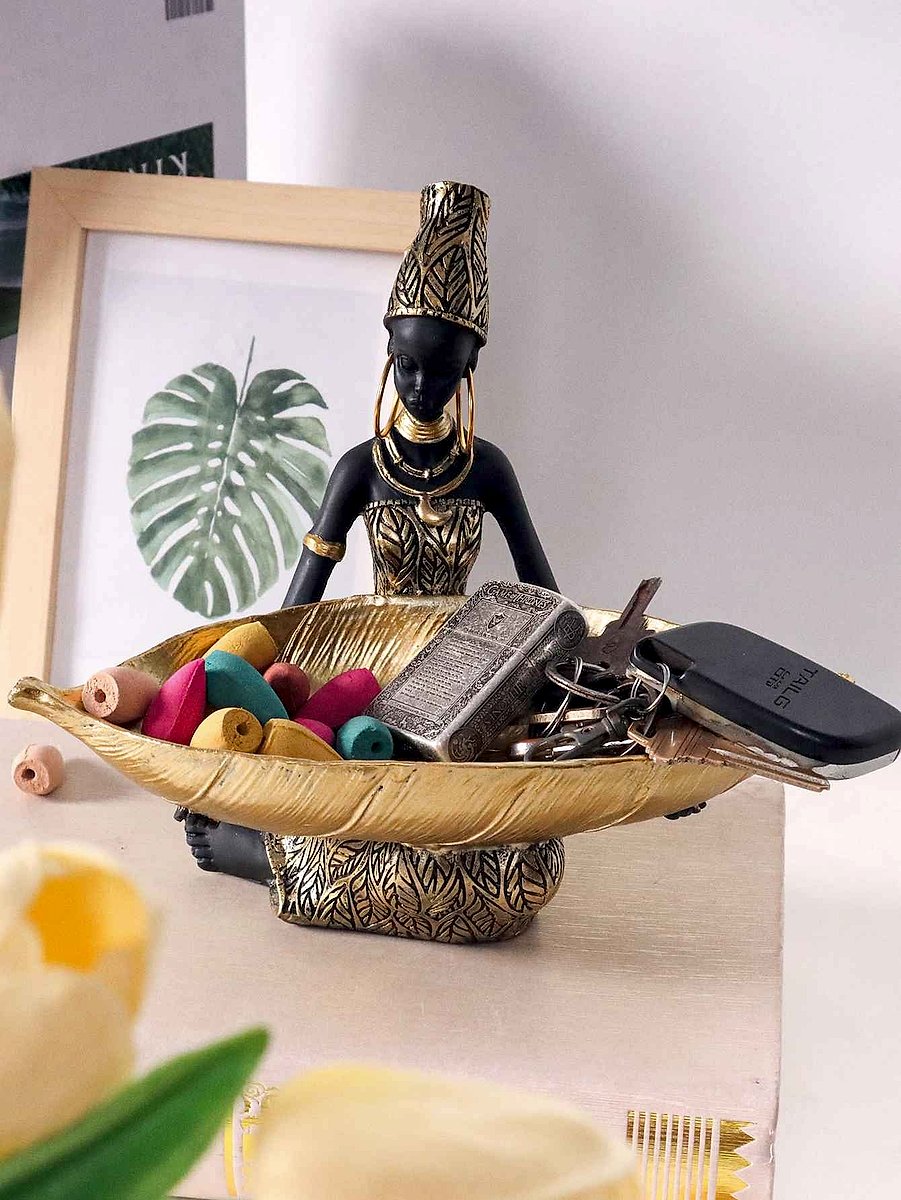
Handcrafted African Girl Holding a Plate Sculpture
$42.00 Shop now →Shop Handmade Home Decor
Every piece is artisan-made and chosen for its story, craft, and staying power. No mass-market filler — just decor worth keeping.
Browse the CollectionFrequently Asked Questions
What is macrame?
Macrame is the art of knotting cord, rope, or twine into decorative and functional patterns without the use of needles or looms. Originating in 13th-century Arabic weaving traditions, it spread through Europe during the Victorian era and experienced a major revival in the 1970s bohemian movement. Today it is popular again as part of the modern boho and slow-living aesthetic, appearing in wall hangings, plant hangers, furniture accents, and fashion accessories.
What plants work best in a hanging macrame planter?
The best plants for a macrame hanger are trailing or vining varieties that cascade beautifully downward. Top choices include pothos (incredibly resilient and fast-growing), string of pearls (dramatic and sculptural), spider plants (forgiving and air-purifying), heartleaf philodendron, and trailing succulents like burro's tail. For the mesh-lined basket design, small to medium potted plants in 4-6 inch nursery pots fit most comfortably.
How do I hang a macrame plant hanger without drilling?
Several drill-free options work well for renters. Adhesive ceiling hooks rated for the appropriate weight are effective for lightweight setups. Tension curtain rods fitted across a corner or window frame work for low-hanging styles. Freestanding plant stands with hanging arms are another option. Always confirm the weight rating of your chosen method before hanging a watered, soil-filled pot.
Can macrame plant hangers be used outdoors?
Most cotton macrame plant hangers are designed for indoor use. Prolonged exposure to rain, direct sunlight, and outdoor humidity will cause natural cotton cord to degrade and discolor over time. For outdoor use, look for macrame made from synthetic cord such as nylon or polypropylene, which is UV-resistant and water-resistant. On covered patios with limited sun and rain exposure, a cotton macrame hanger can work seasonally with attentive care.
How do I care for a macrame plant hanger?
Dust the knotted cord gently with a soft brush or low-suction vacuum attachment regularly. For light stains, spot-clean with a damp cloth and mild soap, then allow to air dry completely before re-hanging. Avoid machine washing as it can loosen knots and distort the shape. Keep the hanger away from excessive moisture and direct sunlight to preserve the natural cotton color and fiber strength over time.